Journal
Making Hay While It Rains
Feast, then famine
The Kilifi coast does not hand out feed evenly. The last few seasons have run to extremes. First a hard drought that browned the browse to nothing, then rains heavy enough to flood the low ground. For a goat herd, that swing is the real danger. Not the dry season on its own, but the lurch from far too little to far too much, and back again. Grass that stands shoulder-high in May is dust by September, and the animals can only eat what the land offers on the day.
Unless you can move feed across time. That is what this season was about.
Cutting the surplus
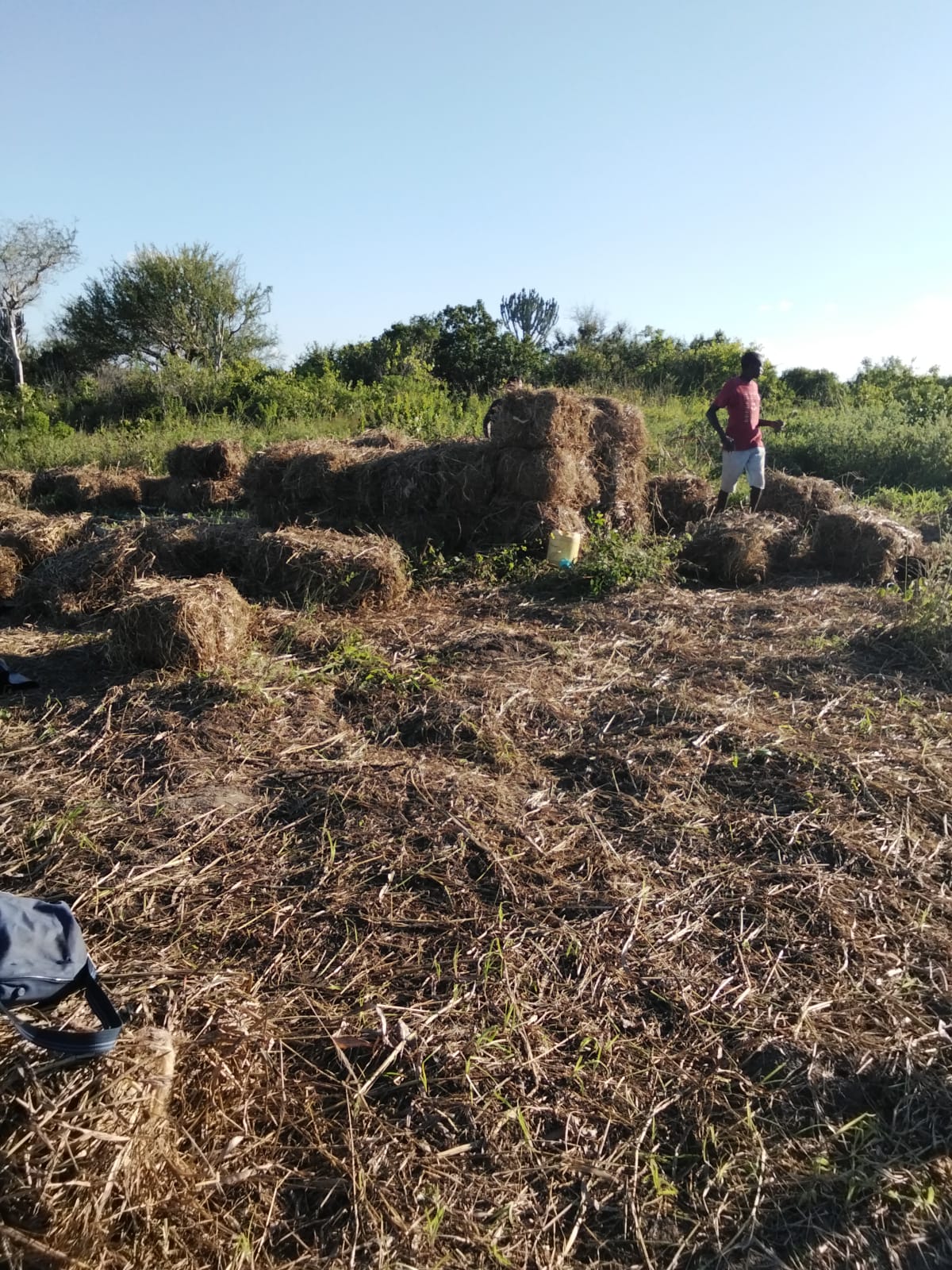
We invested in two tools, a grass cutter and a hand baler. When the long rains brought the fields up thick and green, we did not wait for the surplus to be trampled or to rot back into the ground. We cut it.
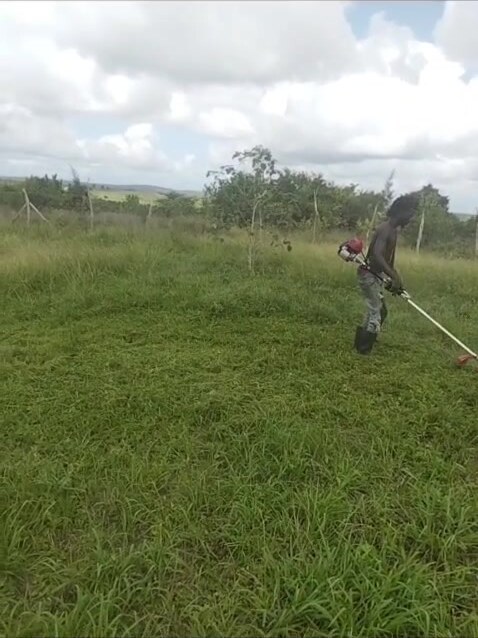
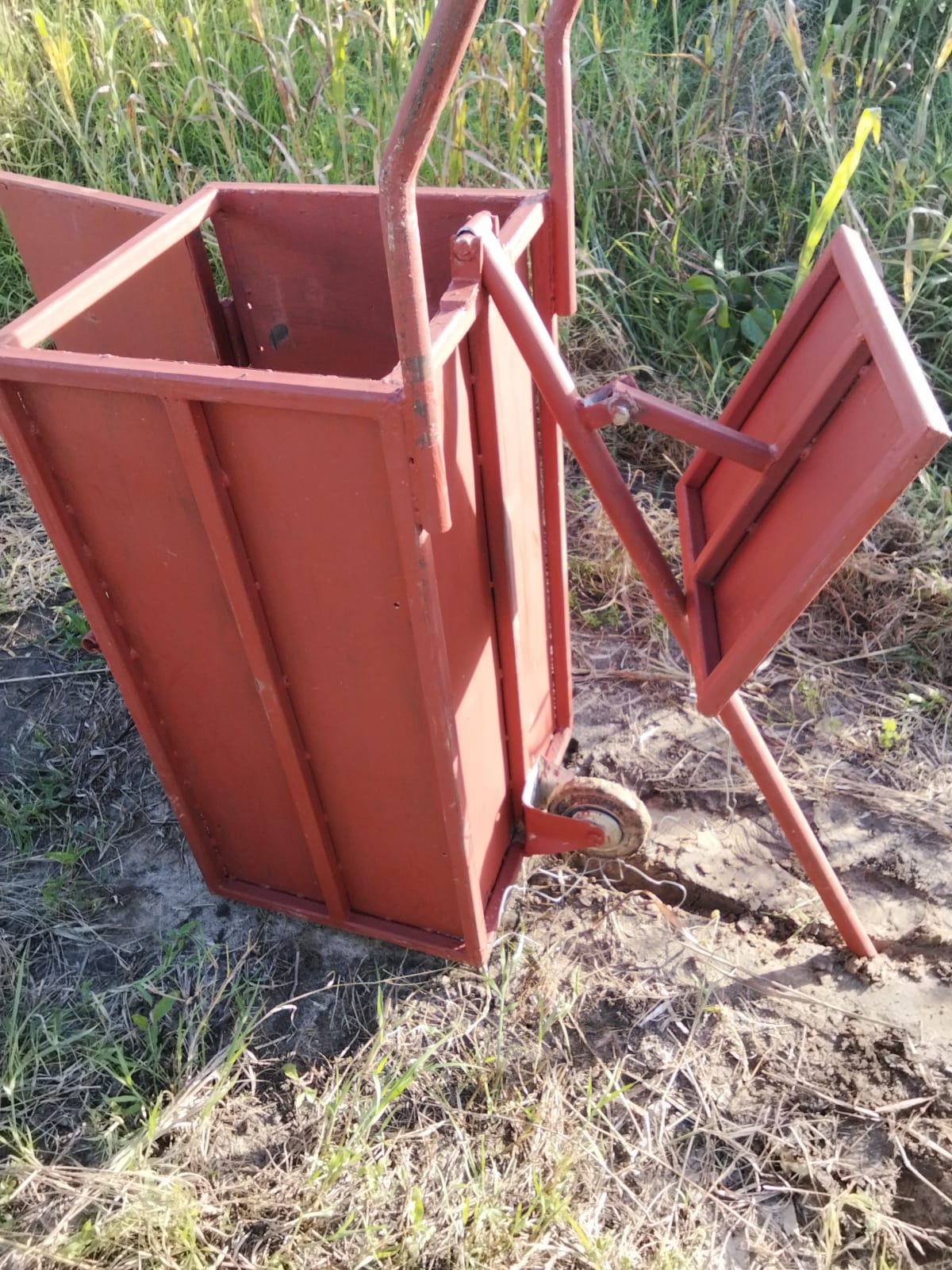
The cutter clears the standing grass quickly; the baler packs it into dense, square bales that stack and store.
Dried, then stored
Cut grass is not feed yet. Baled wet, it heats, moulds, and is lost. So the bales are laid out to cure in the field and covered against the next shower, then moved to dry storage once the moisture is gone.
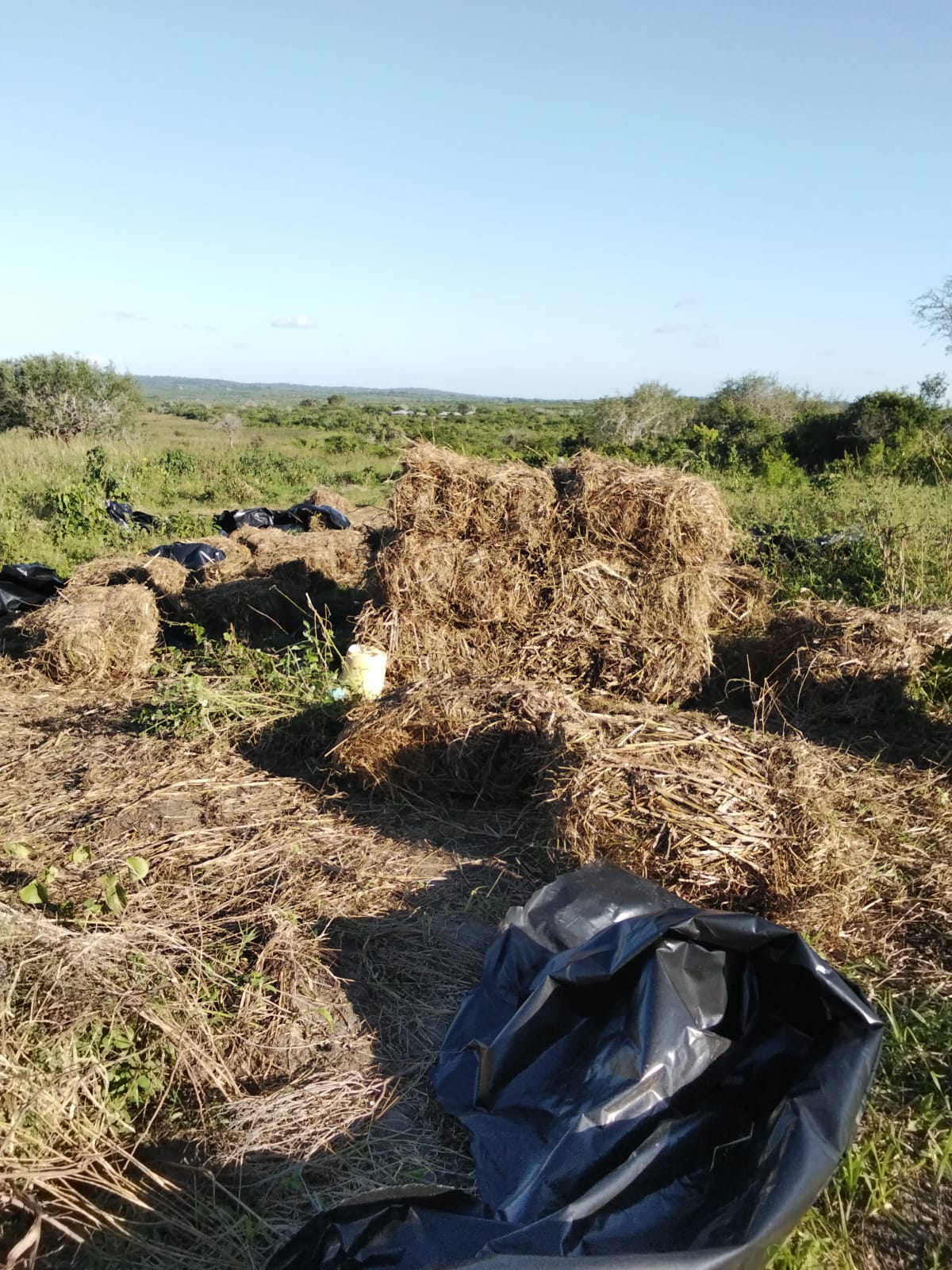
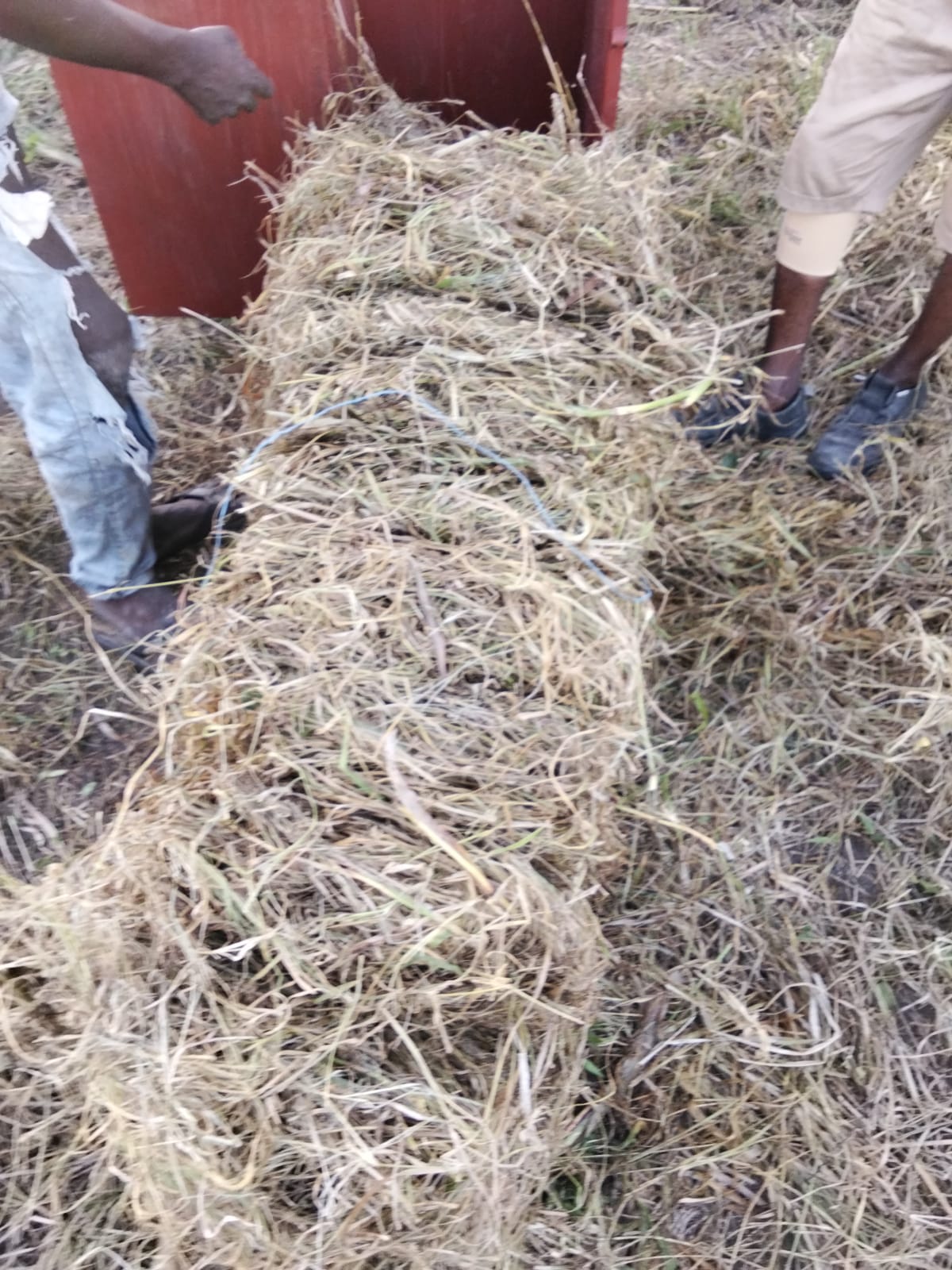
What was a green surplus in the rains becomes a buffer for the dry months. Feed banked while it was abundant, ready for when the land has nothing left to give.
One move in a longer plan
Baling the wild grass is the first step. Alongside it, we are establishing super napier and desmodium on the extension plot at Gongoni, a deliberate, higher-quality feed source for the seasons ahead. Feed security is not a single purchase. It is the steady work of never being caught empty again.