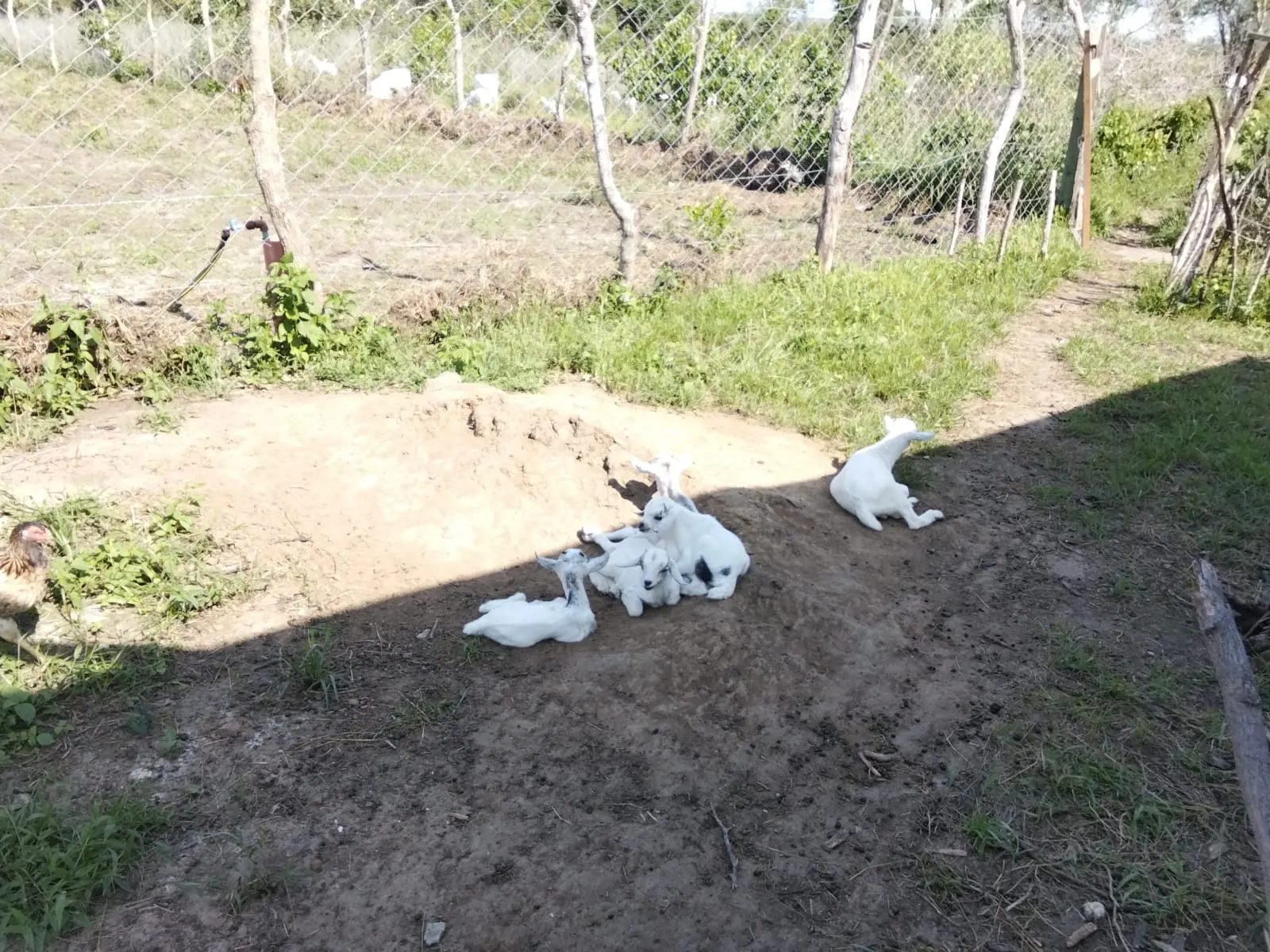
New kids, an unfinished count
We welcomed new kids in July and began identifying them before the next herd count.
 Keragita Farms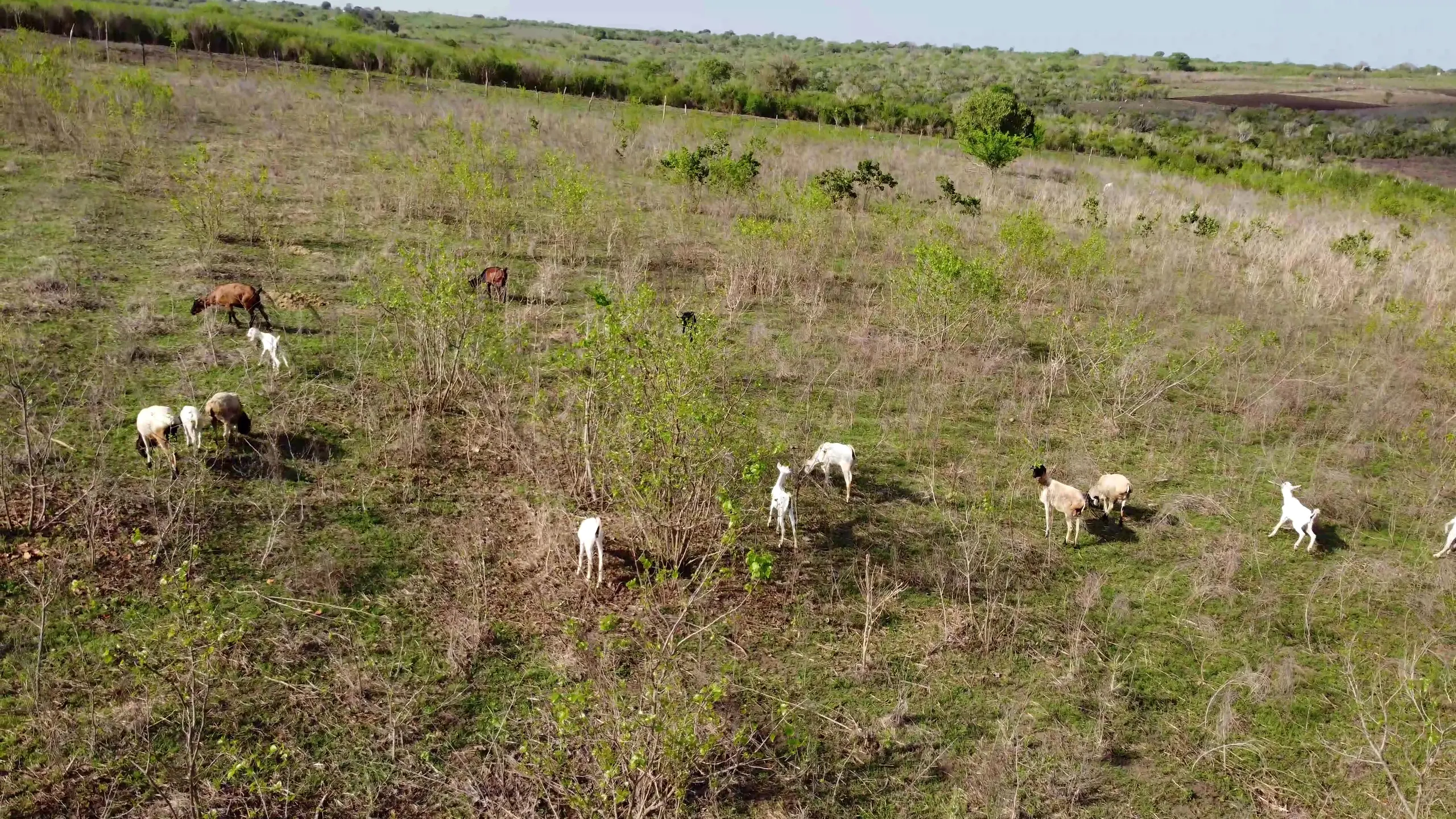
Magarini, Kilifi County, Kenya
Goats are raised here. Work is recorded. Better decisions follow.
Keragita Farms is building a goat enterprise on fifteen acres across two sites in coastal Kenya.
The premise is simple: knowing where an animal came from, what happened to it and how it was cared for should make the farm better to run—and easier for a future buyer to trust.
See the farm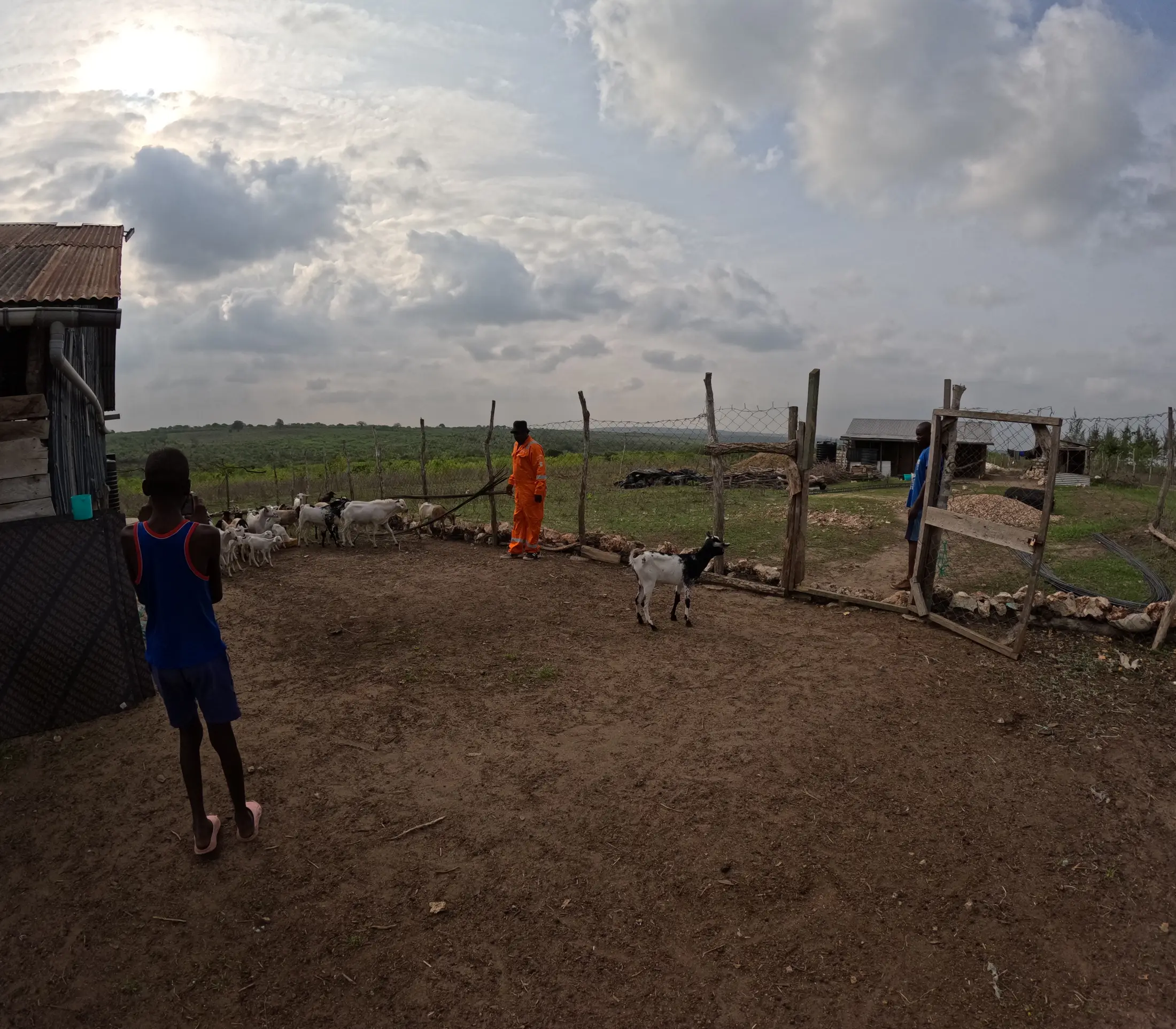
May 2026
The herd has grown since. July births made that count historical; the next reconciled total is still to come.
We will publish the next total after every animal has been reconciled against its record.
IdentityA numbered tag keeps the same animal recognisable over time.
HistoryBirths, checks, treatments and observations can gather around that identity.
JudgementThe next decision can begin with context instead of memory alone.
From the Journal · July 2026
We welcomed new kids in July and began identifying them before the next herd count.
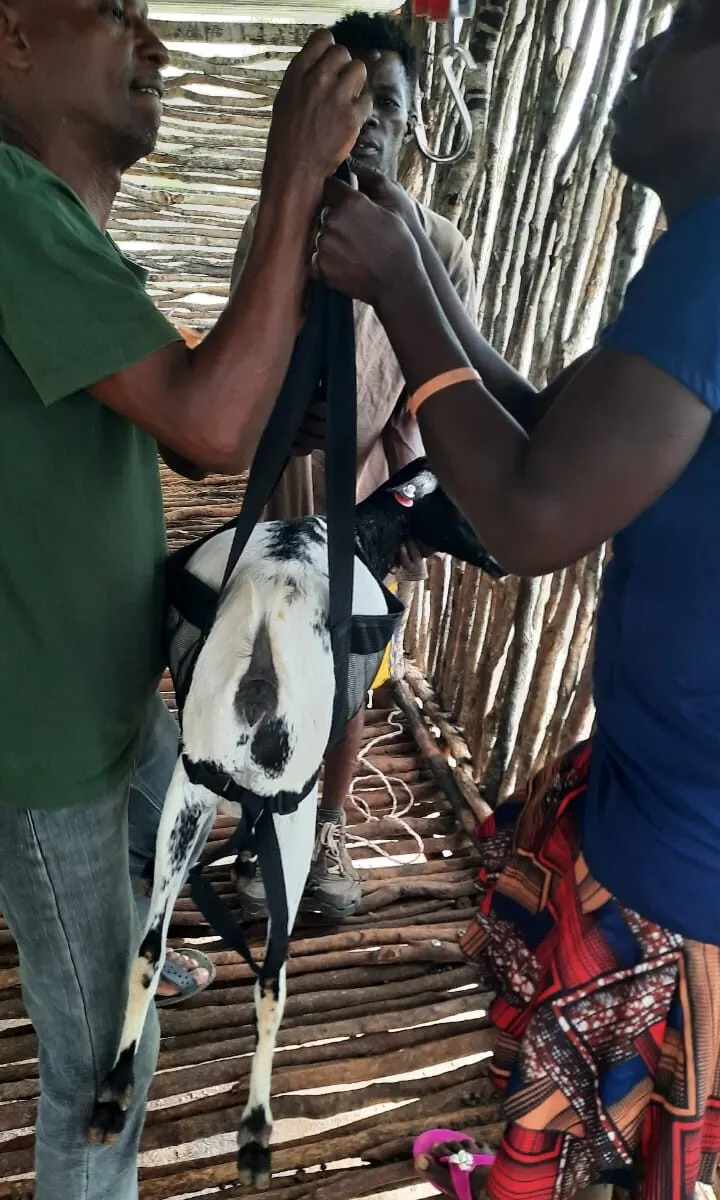
On 26 July, we began connecting our goats to their Farm Intelligence records.
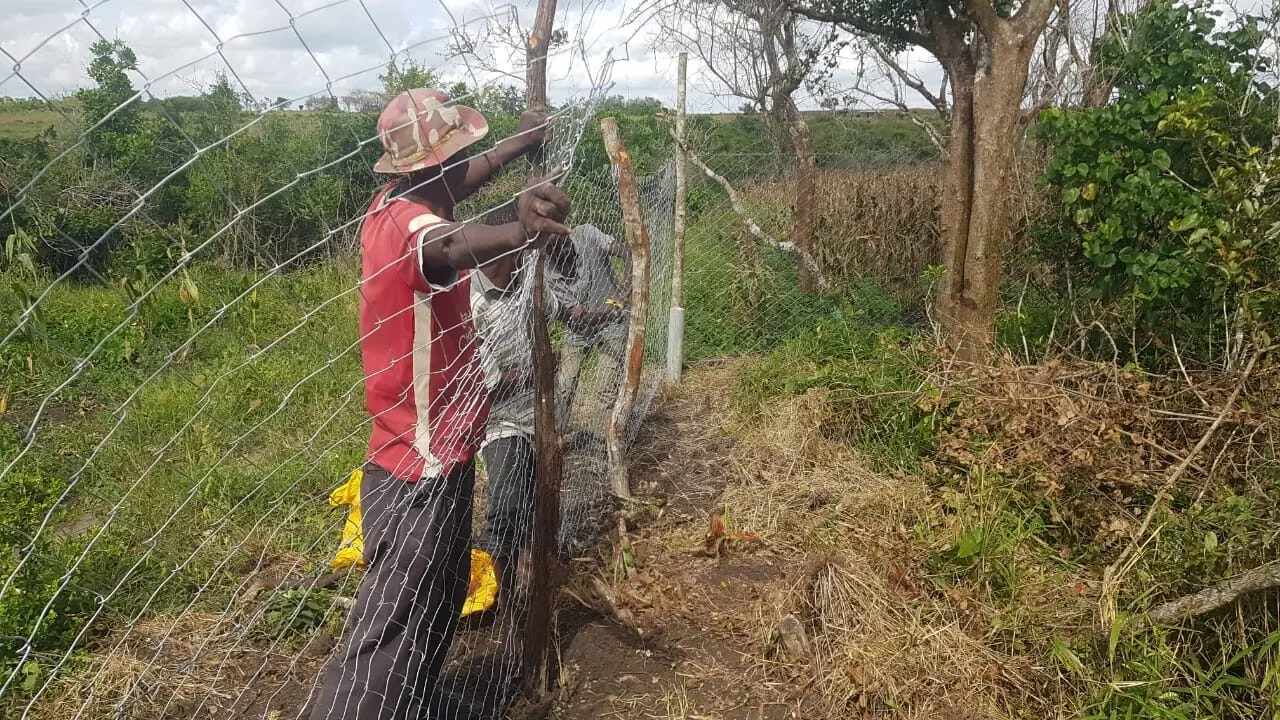
We raised chain-link along the grazing boundary by hand.
Keragita Farm Intelligence
A worker records a health check. An animal’s history grows. A manager can see what needs attention. Keragita is building the system because the farm needs it.
Watch the real workflowsKeragita is founder funded, commercially ambitious and deliberately patient about growth.
About the company