Journal
Herd Health Check: Every Goat, Every Time
Why we do this
A sick goat on a remote farm is an expensive problem. Veterinary services in Magarini are limited. The nearest qualified vet is in Malindi, over 30 kilometres away, though community animal health workers (CAHWs) trained by the County Veterinary Office handle routine deworming and vaccination closer to home. By the time you notice a goat is visibly unwell, you have already lost days. Regular hands-on checks catch problems early: weight loss, coat changes, hoof issues, eye discharge, parasites. Prevention costs nothing but time. Treatment costs money and sometimes an animal.
Zakaria runs these checks routinely. He knows each goat individually: how it moves, how it feeds, what its coat should look like. That familiarity is the first line of defence.
The check
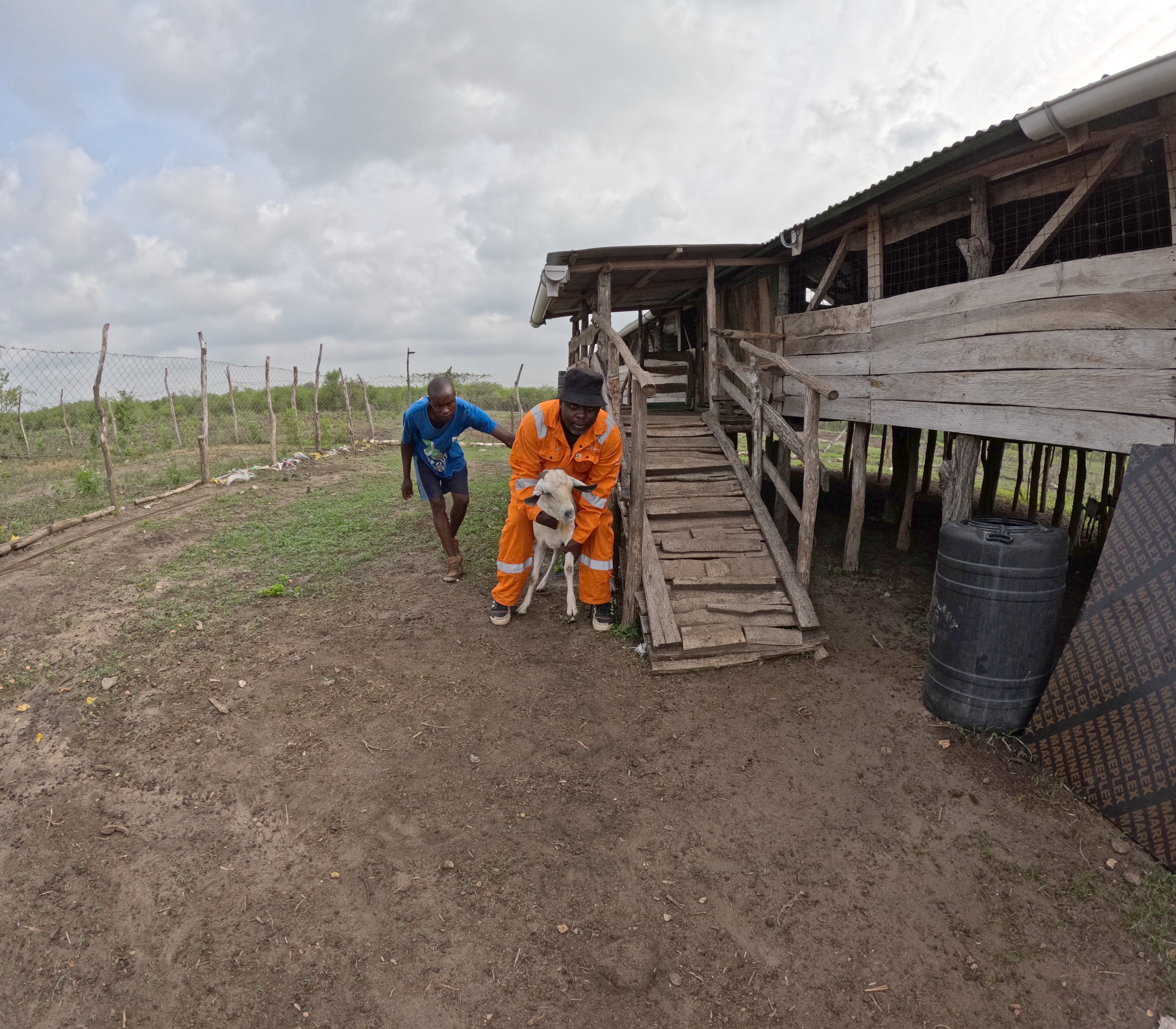
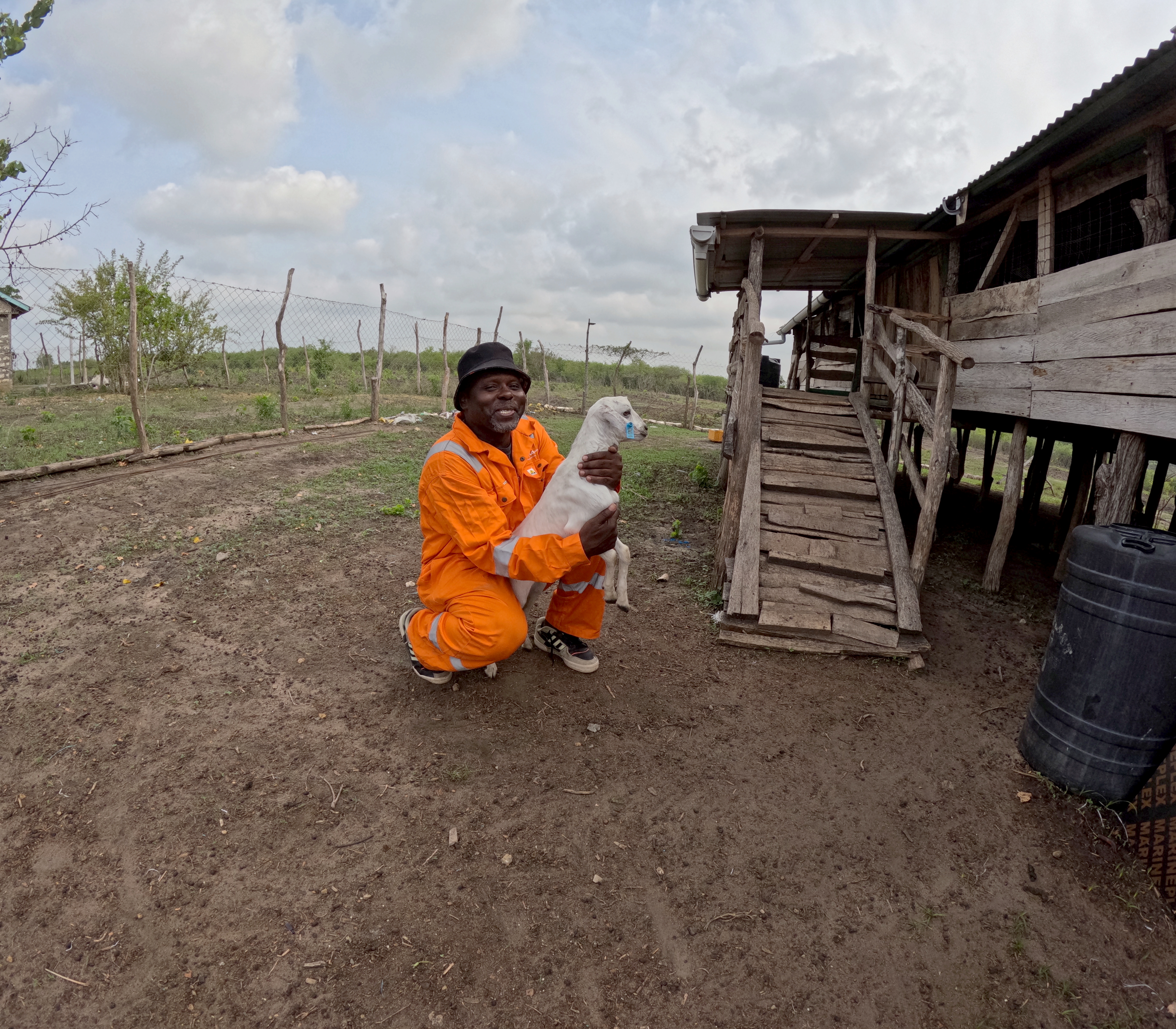
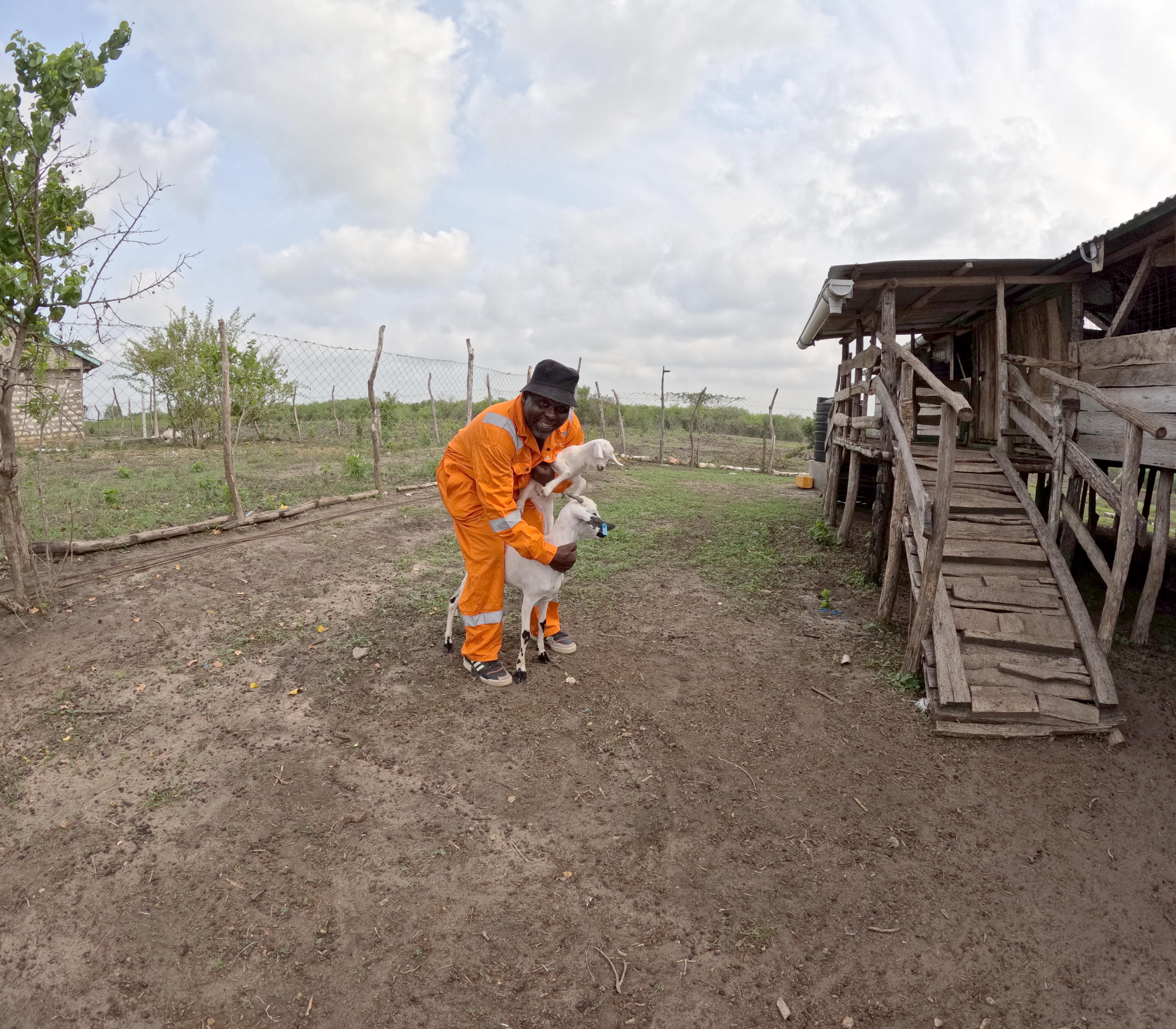
Each goat is brought down from the elevated shelter one at a time. Zakaria works through them methodically: lifting, turning, checking hooves, feeling along the body for condition, looking at the eyes and mouth. It is not glamorous work, but it is the kind of attentive stockmanship that keeps a herd healthy.
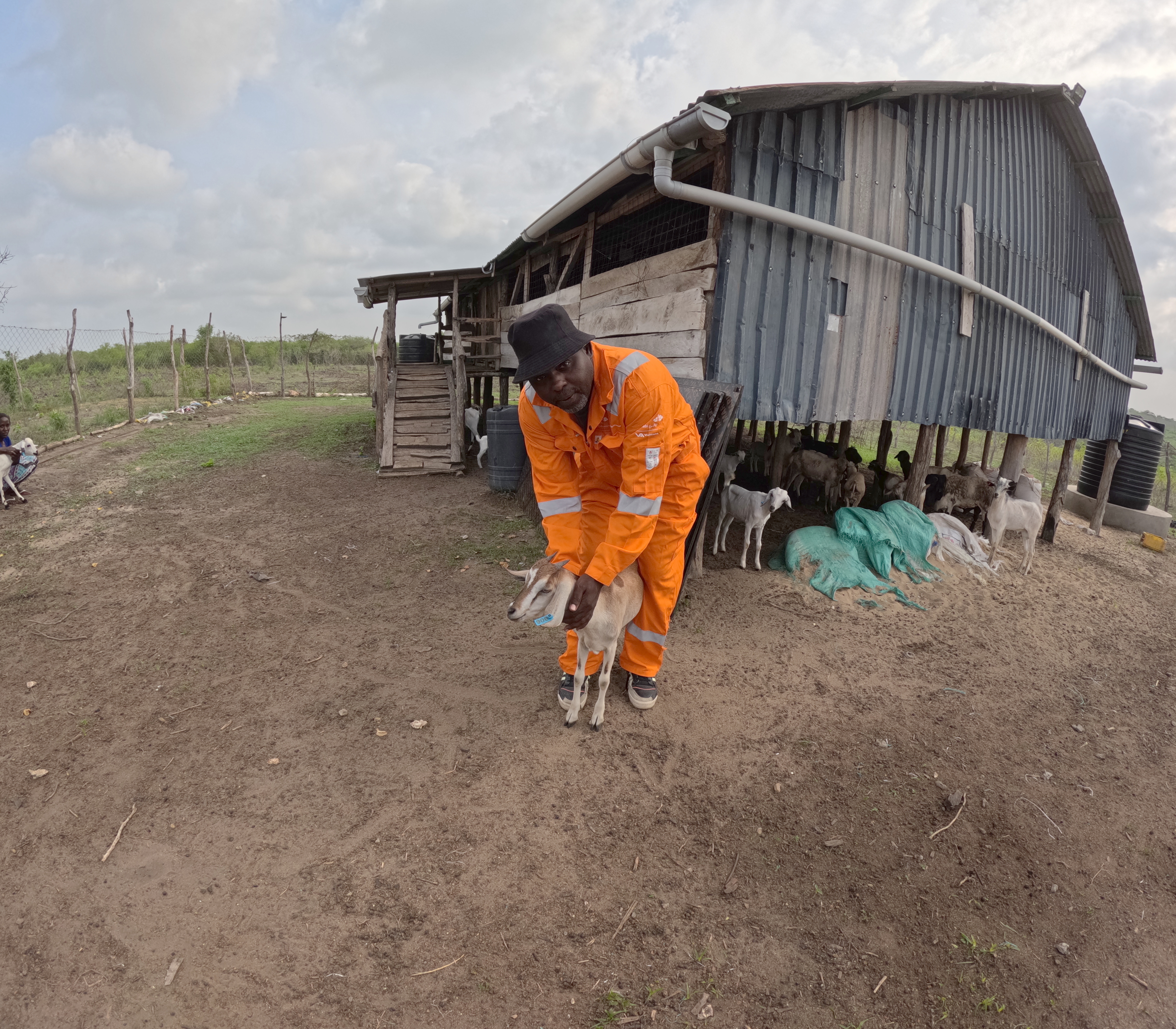
A community routine
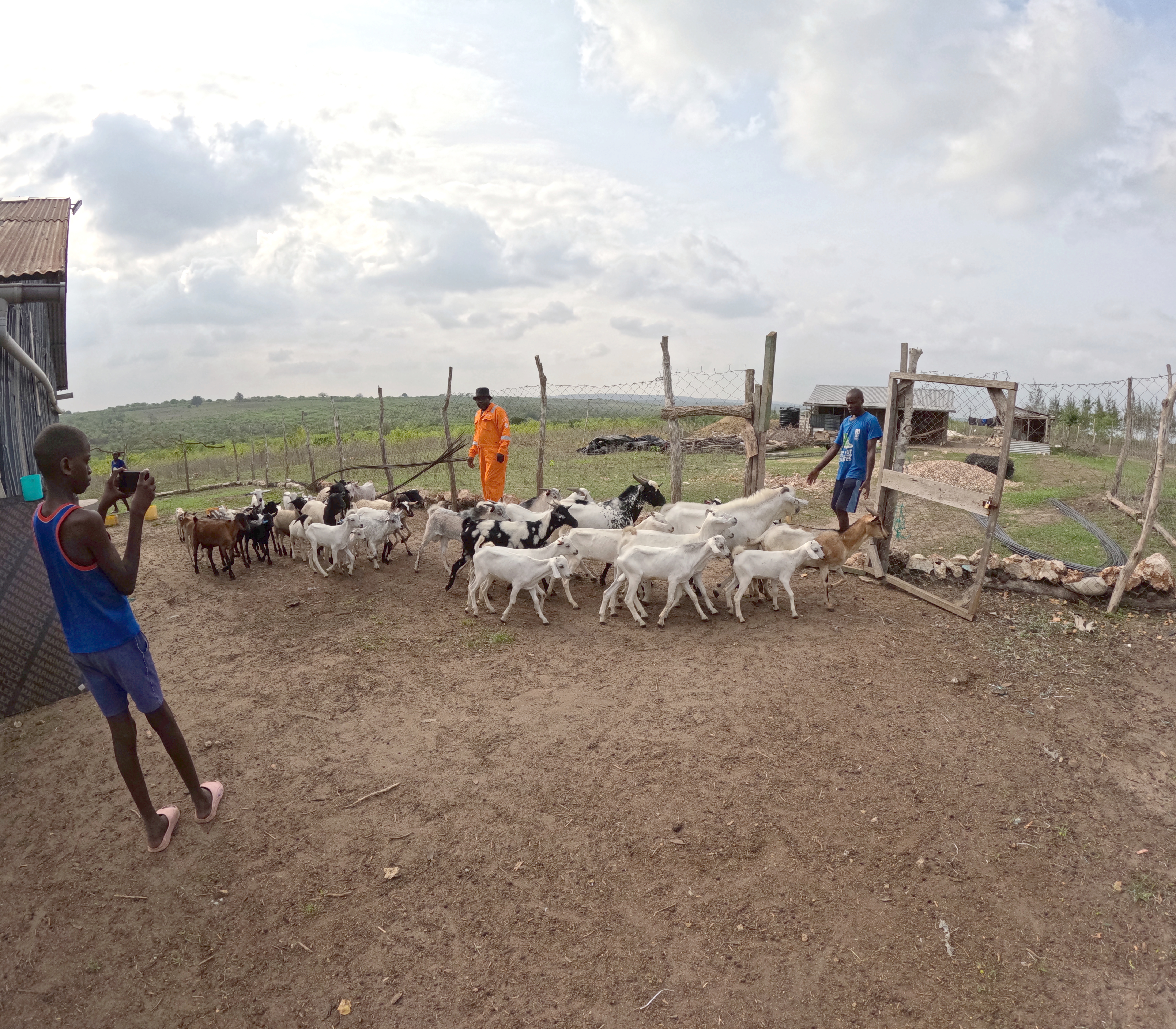
Livestock care in Gongoni is not a solo activity. Every morning, the goats are taken out to browse and graze on the open land beyond the farm boundary. Watering is done communally: our herd joins the neighbours' animals at shared water points, and the herding is split between families. When it is time to bring them back in the evening, whoever is closest rounds them up. It is an informal but reliable system that has worked in this community long before we arrived.
This matters beyond convenience. It means our goats are socialised with other herds, which reduces stress. It means there are more eyes on the animals throughout the day. And it means we are embedded in the neighbourhood, not operating in isolation. When Zakaria needs a hand bringing a stubborn doe down the ramp for a check-up, there is always someone nearby who knows the animals and is willing to help.
Herd status
All animals were in good condition at this check. No signs of parasites, no hoof problems, coats healthy. The does that kidded last year have regained their weight and are cycling normally.
Why this matters
A healthy herd is a store of value. Each animal can be sold if the farm needs emergency liquidity, and natural breeding growth represents a return on the original investment without additional capital. Keeping them healthy is not just animal welfare; it is asset management.