
The Farm
Six acres in Gongoni Ward, Kilifi County. Every season documented.
Our Location
The Farm from Above
Drone footage and aerial photography from our farm. Images updated as the farm develops.
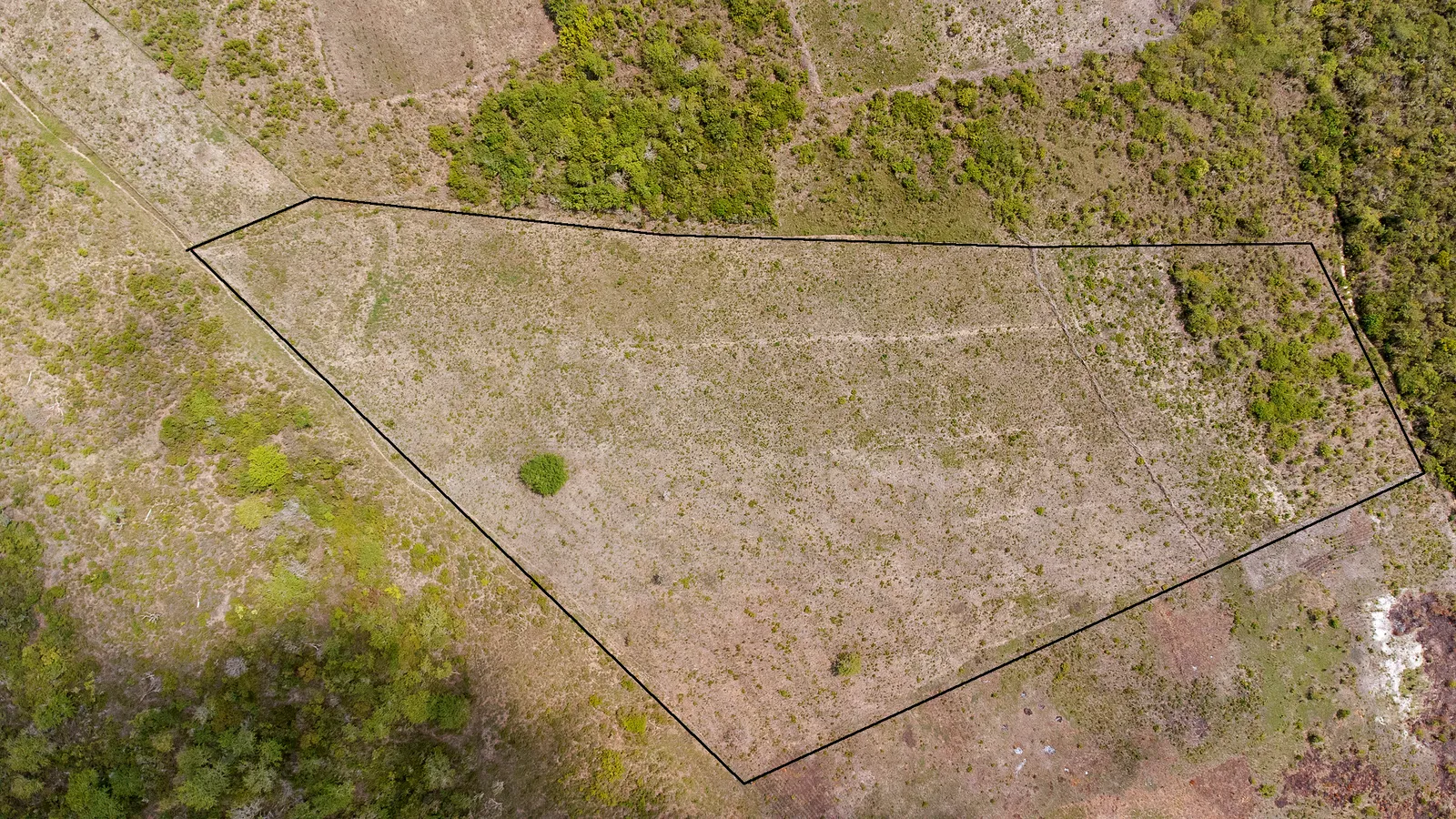
Aerial view of the farm showing the 6-acre boundary
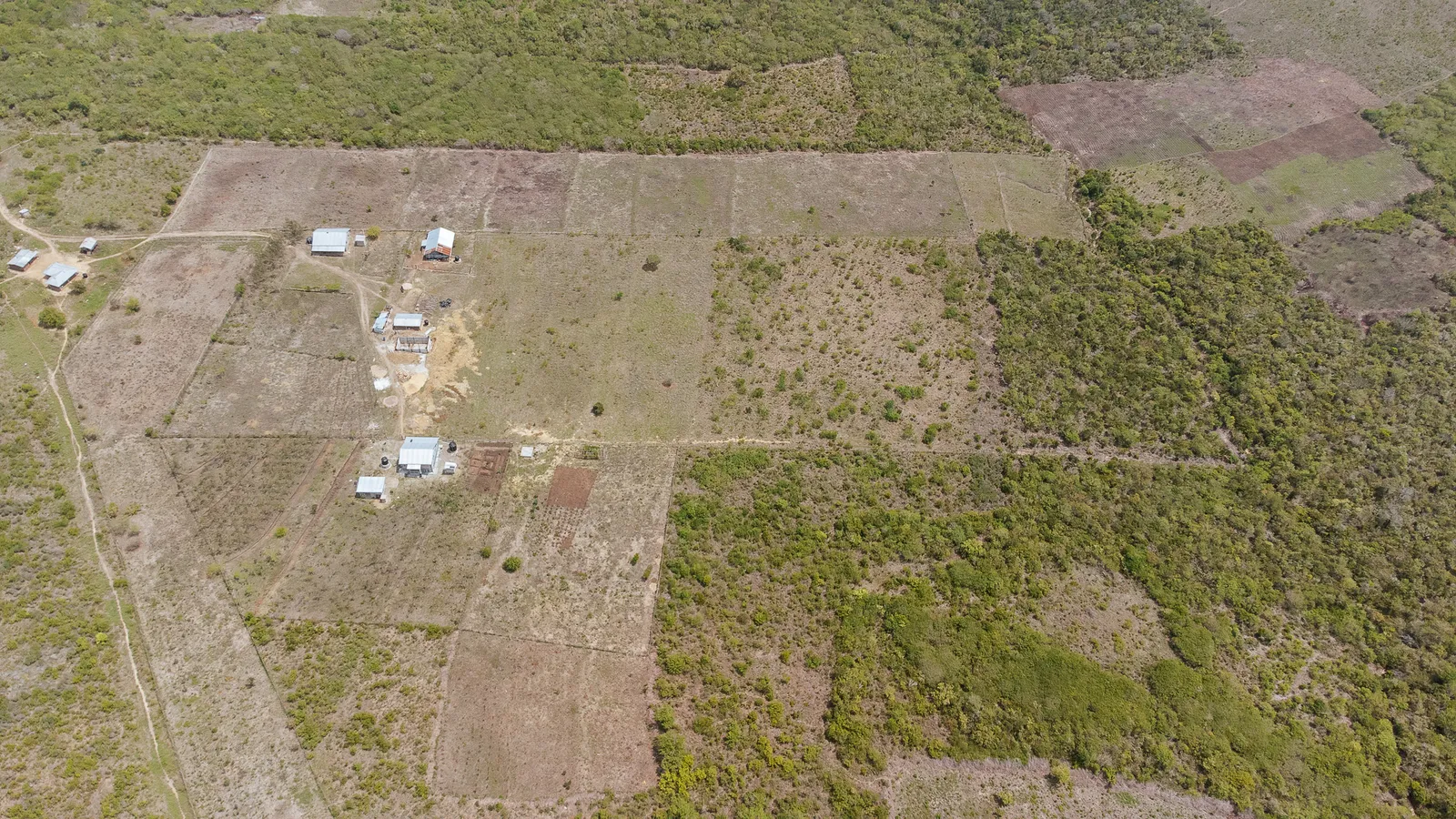
Aerial view of surrounding farms
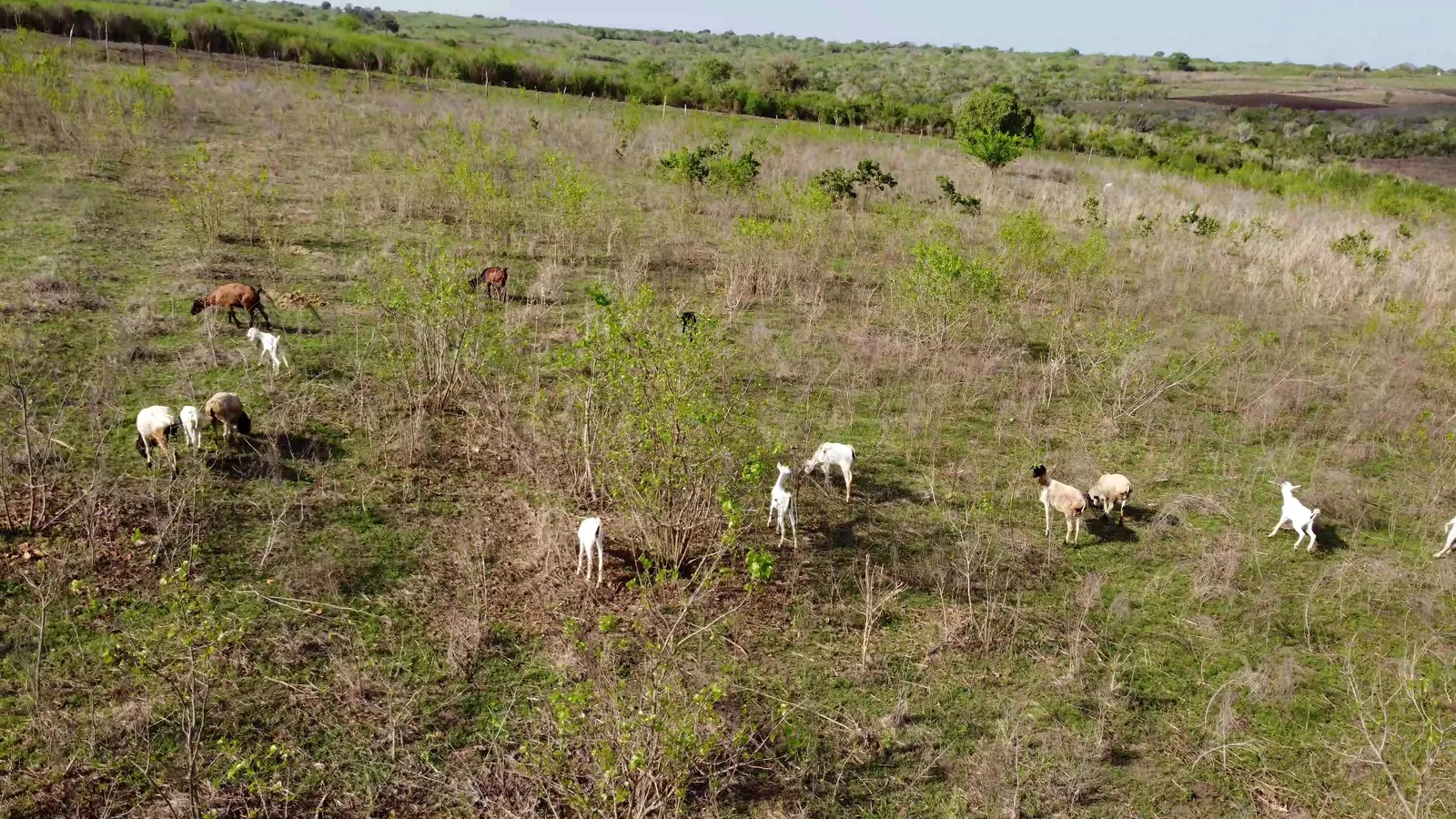
Goats grazing on the farm
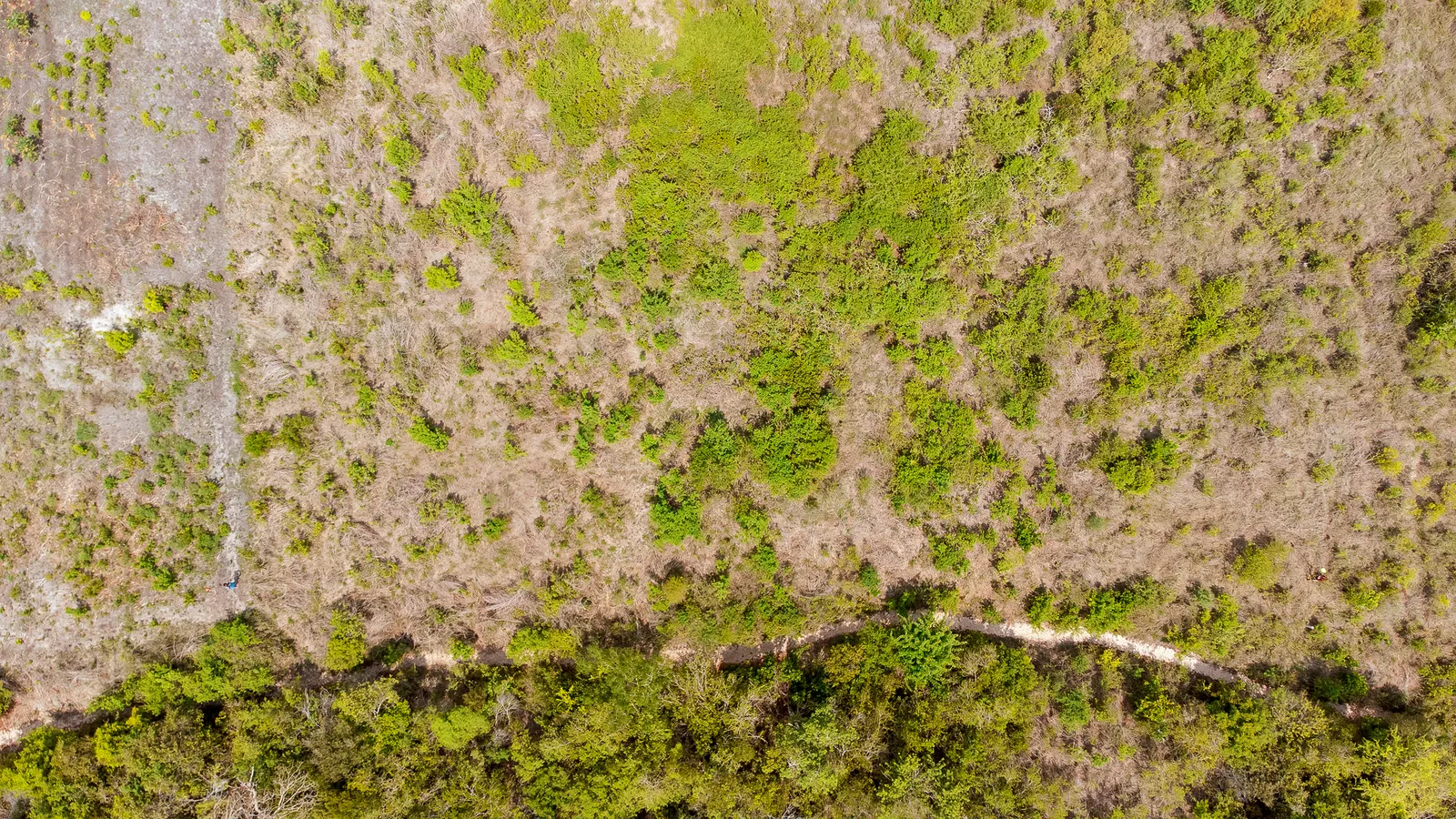
Lower part of the farm next to the seasonal river
Current Operations
Livestock — Soil First
We keep local mixed-breed goats for manure production and as a store of value. The herd browses communally with neighbours’ herds every morning and returns to our elevated shelter at night. A local caretaker manages their daily care. All goats were tagged in February 2026 for identification and record-keeping. Current herd size and breeding updates are in the journal.
Crops
Our first season was green grams as the main cash crop intercropped with maize every two metres — not a full-acre maize planting. The green grams were lost to prolonged rains (details in our journal). The intercropped maize produced 270 kg, but comparing that to full-acre maize yields is misleading because maize occupied a fraction of the planted area. The second season is scheduled for mid-April 2026, with improved timing and a baseline soil analysis budgeted before planting.
The Land
Our farm sits in Kenya’s coastal lowlands, with bimodal rainfall (long rains March–June, short rains October–December) and temperatures averaging 24–30°C year-round. We ploughed the land for the first time by tractor in 2025. We currently rely entirely on rain-fed farming — making water infrastructure our most pressing need.
Crop Diversification Plan
Maize and green grams were our starting point, but the farm’s long-term crop portfolio is built around what grows well in coastal Kilifi. We are planning cashew trees as our anchor perennial crop — Magarini’s dominant tree crop, with KALRO Mtwapa providing improved grafted seedlings. Once water infrastructure is in place, watermelon becomes our best short-cycle cash crop (70-day cycle, strong Malindi and Mombasa market). We are also evaluating cowpeas as a more drought-tolerant alternative to green grams, sesame for its heat tolerance and export value through Mombasa port, and papaya for the Malindi–Watamu hotel market. Coconut is a long-term foundation crop that every farm in this area eventually needs.
Local Support
We work with the institutions that serve farmers in this area. KALRO Mtwapa — roughly 90 minutes from the farm — provides improved seed varieties for the coast, including our green gram varieties (KVR8, NVRS 1) and grafted cashew seedlings. The Magarini Sub-County Agricultural Office provides extension services and access to input subsidy programmes. We are also connecting with local farmer cooperatives for collective bargaining and market linkages. These relationships matter as much as any sensor.
What We Have Done
Cleared and ploughed six acres by tractor. Completed one full crop cycle. Built a herd from 5 goats to 10. Constructed an elevated livestock shelter. Registered Keragita Farms Ltd. Launched this website and began publishing our journal.
What Comes Next
Construct a large underground water tank for irrigation storage — our top infrastructure priority. Plant a second crop cycle with improved timing. Begin cashew and tree crop establishment. Expand the livestock herd for increased manure production. Once water is in place, begin phased sensor deployment.
See the Technology Plan
Water first, then weather data, then soil sensors. Our technology roadmap explains what we plan to deploy and in what order.