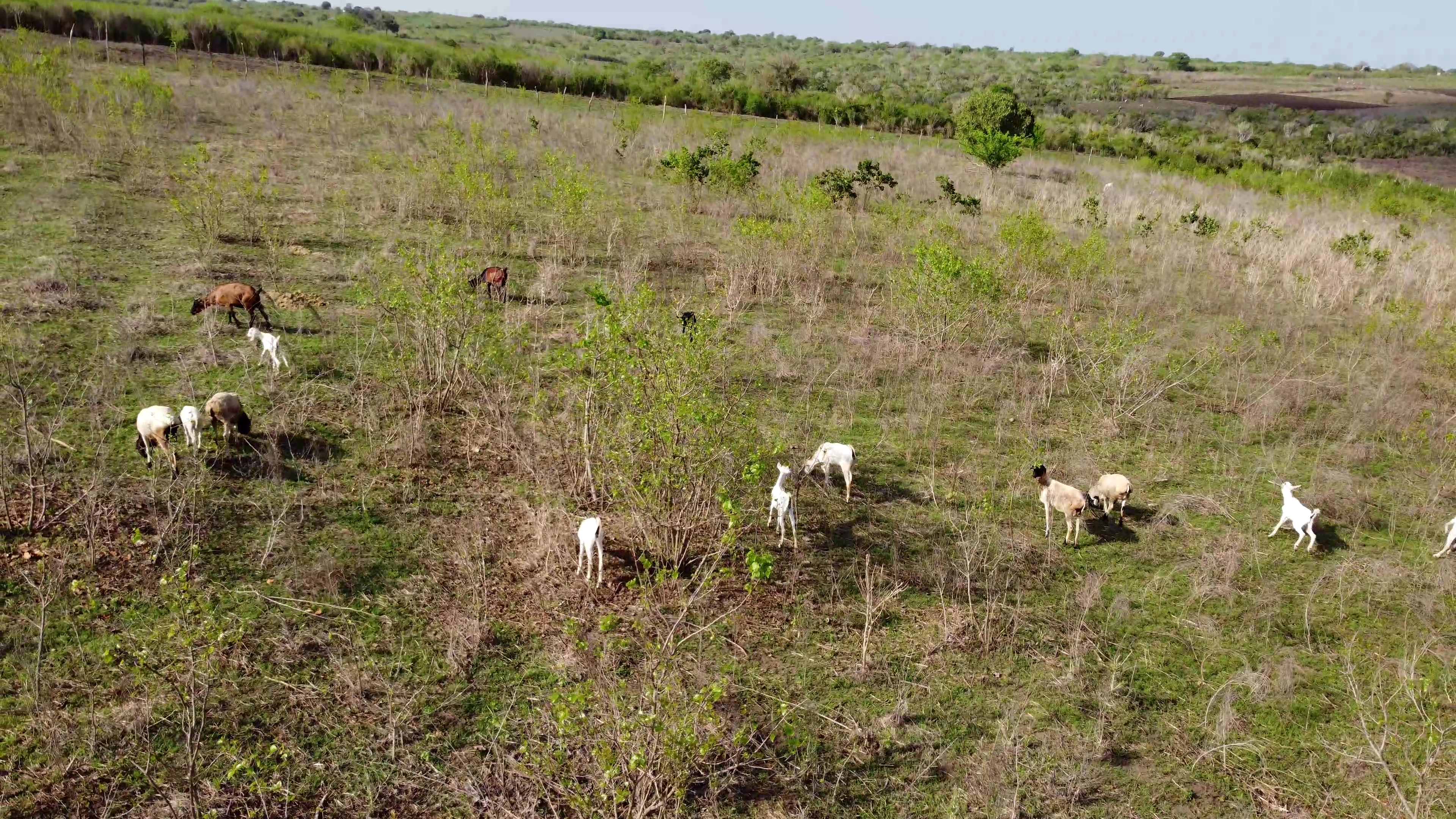
The Herd.
Keragita Farms is a goat enterprise on the Kenyan coast. We build our reputation the way we build our herd: carefully, on evidence, in public.
Our herd has grown from 5 animals in January 2025 to 42. Growth has come through births and selective purchases, not bulk stocking.
Every weaned animal carries a digital record covering weight, health history, vaccinations, breeding lineage, and the welfare actions taken on each check. Read the full protocol →
Forty-two animals. Every one of them known by name, by record, by the system that cannot forget.
Our commercial roadmap begins with meat, then pasteurized goat milk, then cheese and butter, then goat-milk cosmetics.
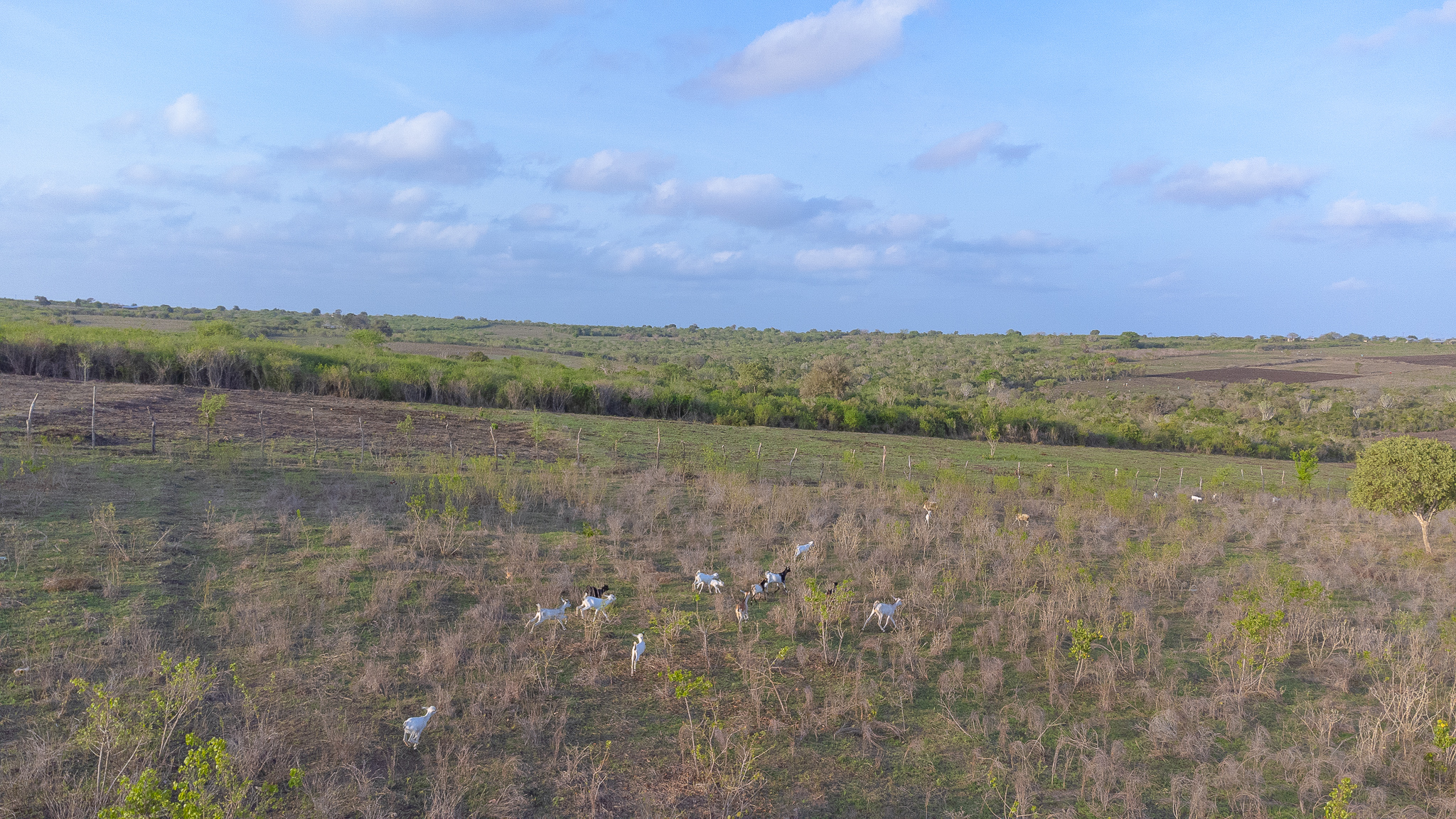
The Place.
Magarini, Kilifi County. Two farms on the Kenyan coast.
Two farms across Magarini Sub-County, 15 acres in total. The specificity of this place is not incidental to the brand; it is the brand.
Magarini Sub-County is an area underrepresented in formal agricultural data. Every check, every observation, every anomaly we make is recorded here, in this place.
The coast shapes everything: the soil, the breed, the daily protocol. This place is not backdrop. It is content.
The two farms span fifteen acres in total: nine at the headquarters, six at the extension in Gongoni Ward. The six-acre farm is our seasonal feed source. During the rainy seasons, we cut grass there for drying and storage, building the year-round forage reserve that lets us hold our welfare protocols through the long dry. We are planting super napier and desmodium there to lift the dry-season yield further.
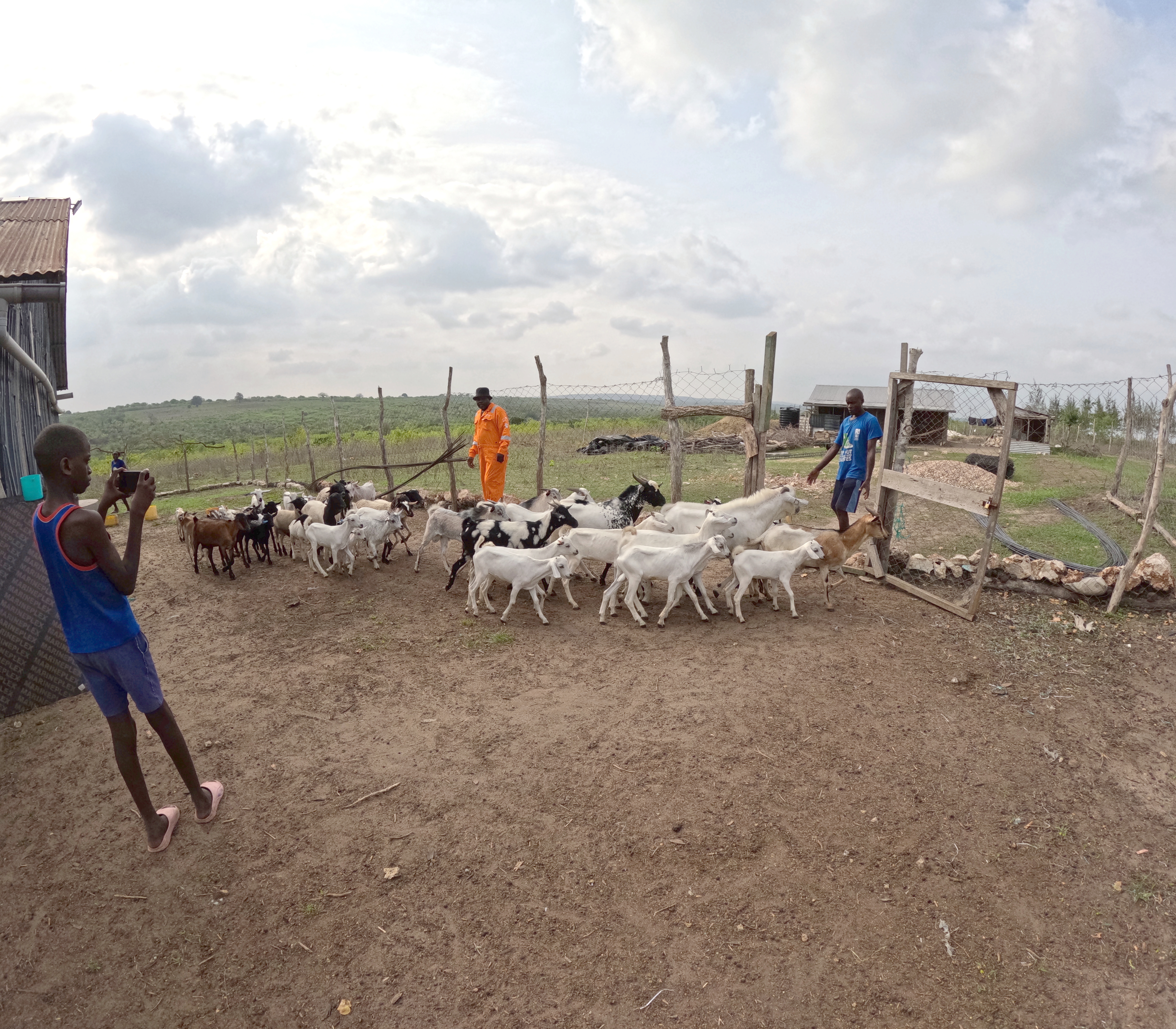
The People.
A small, growing team. Local to the sub-county. Expanding as the herd does.
Our farm manager, Zakaria, holds the daily operational thread. His observations are the foundation of our animal records. Every entry is attributed by name; the system does not permit anonymised records.
Our founder is based in Germany and is not on the farm day-to-day. The farm intelligence system keeps the records the same for everyone: manager, caretaker, and founder all read from one log. The team holds a weekly review on what the records surfaced.
The system was built around how our team actually works, not around an idealised workflow designed in an office.
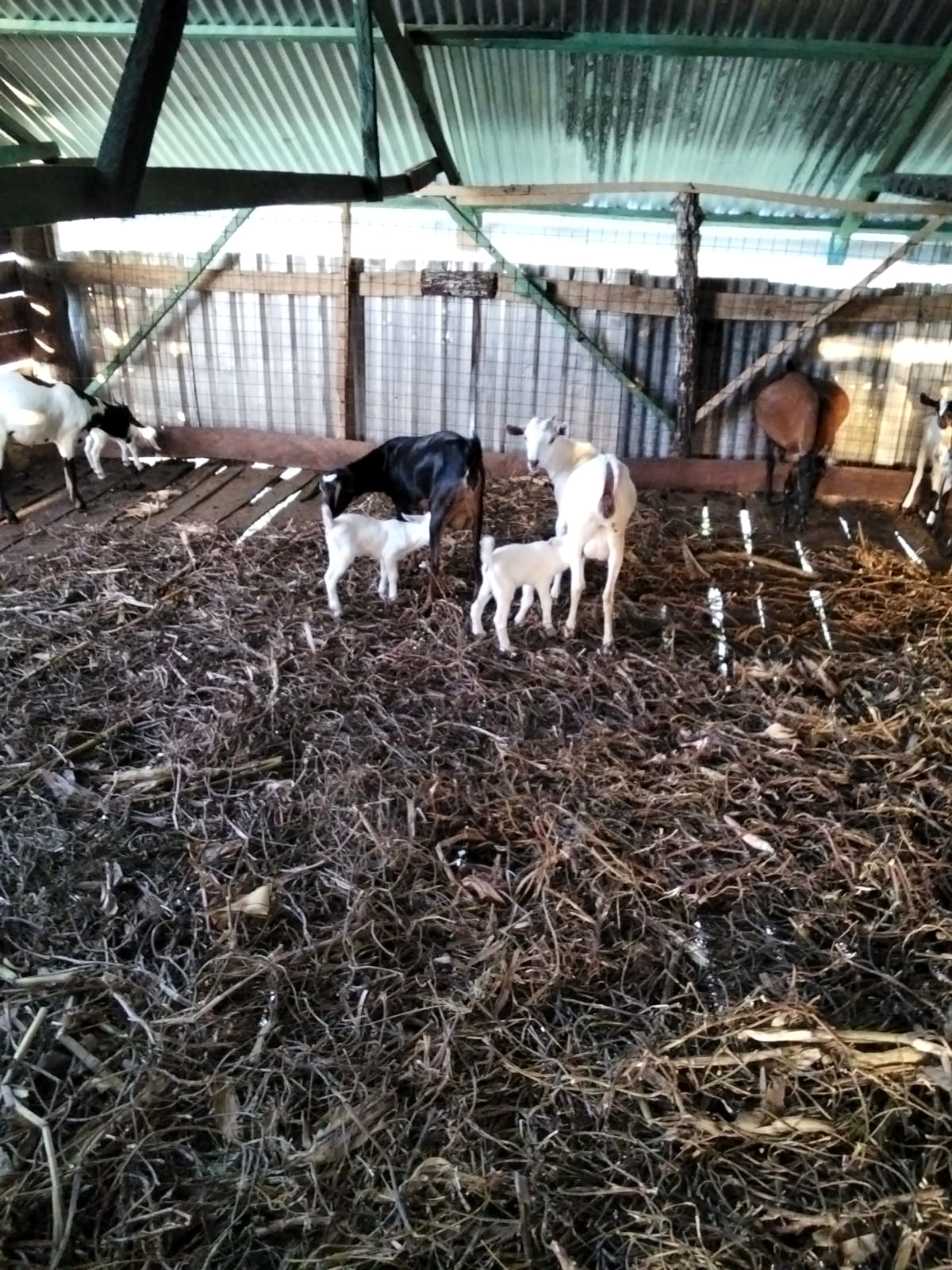
The Future.
Partners invited. The door is open.
We are inviting investors for the next stages of the enterprise, off-takers for the goat products we will produce, and research collaborators for the data we are accumulating.
Specific invitations to specific kinds of work.