
Two Crops, Two Outcomes
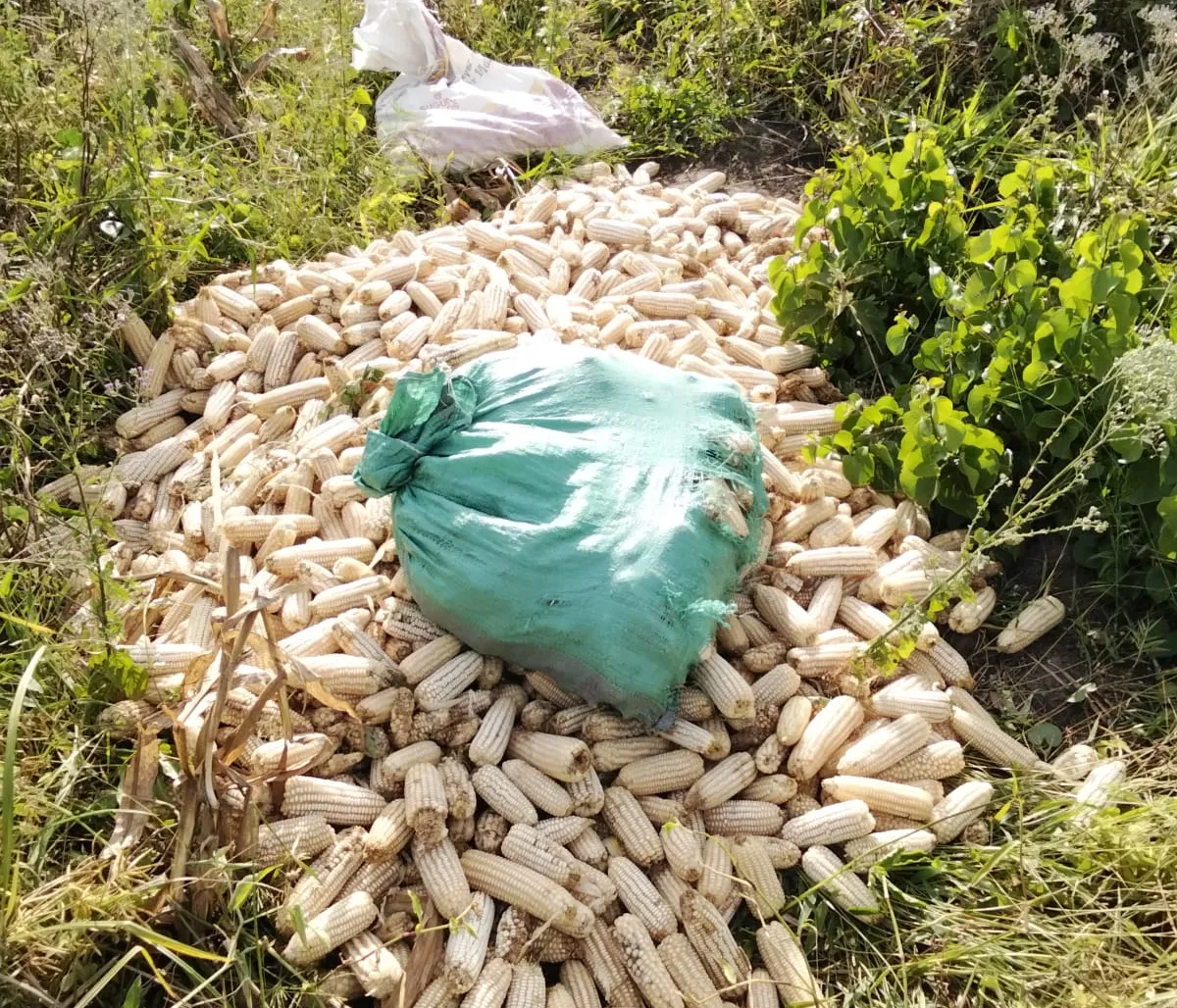
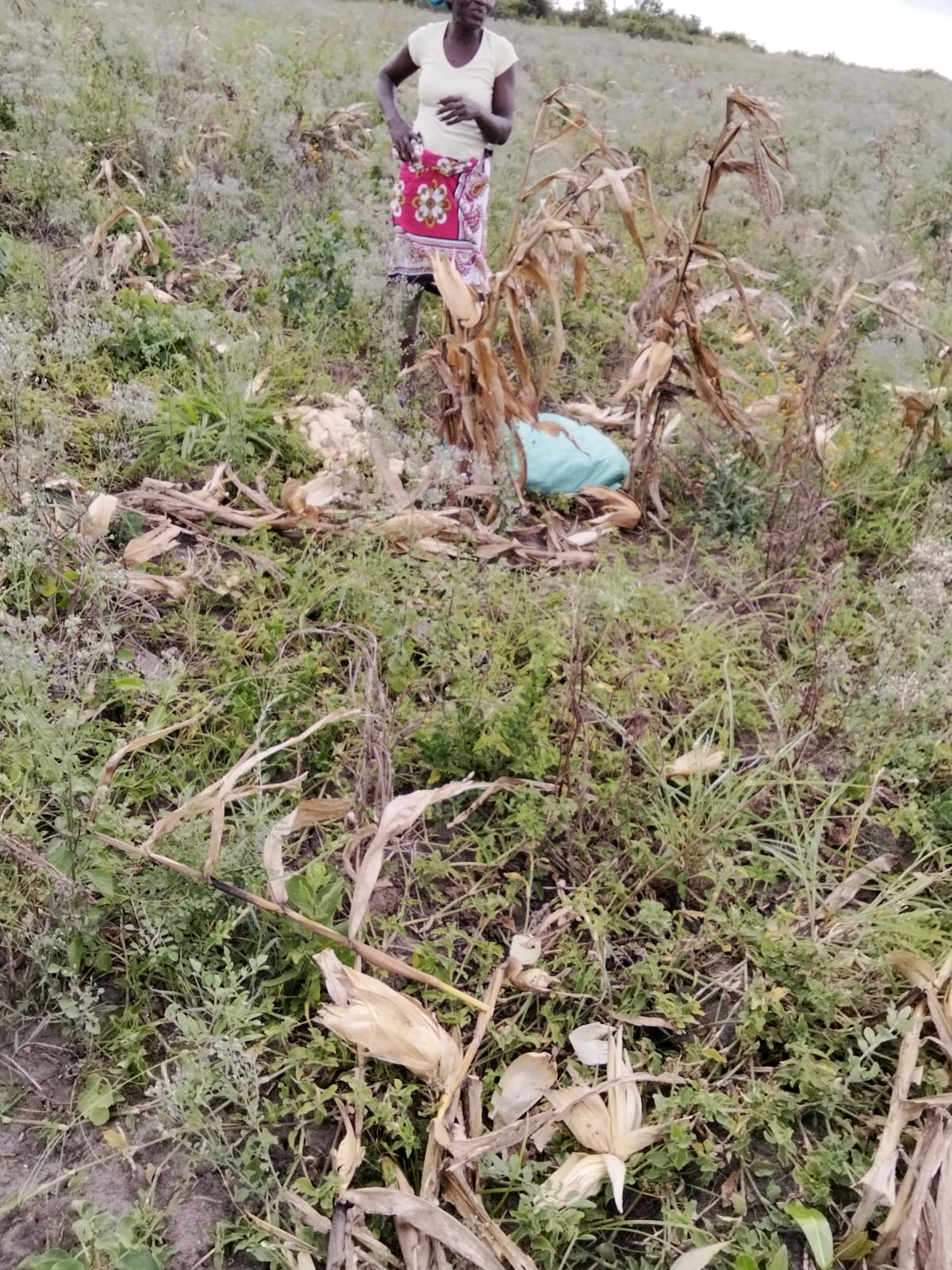
Our first season was an intercrop — green grams as the main crop with maize every two metres. The maize made it. The green grams did not.
Prolonged rains waterlogged the field during the green gram flowering stage. The plants rotted in the ground. No weather data warned us. No soil sensors told us the field was saturated. We watched a crop that was on track for a strong yield die in the rain.
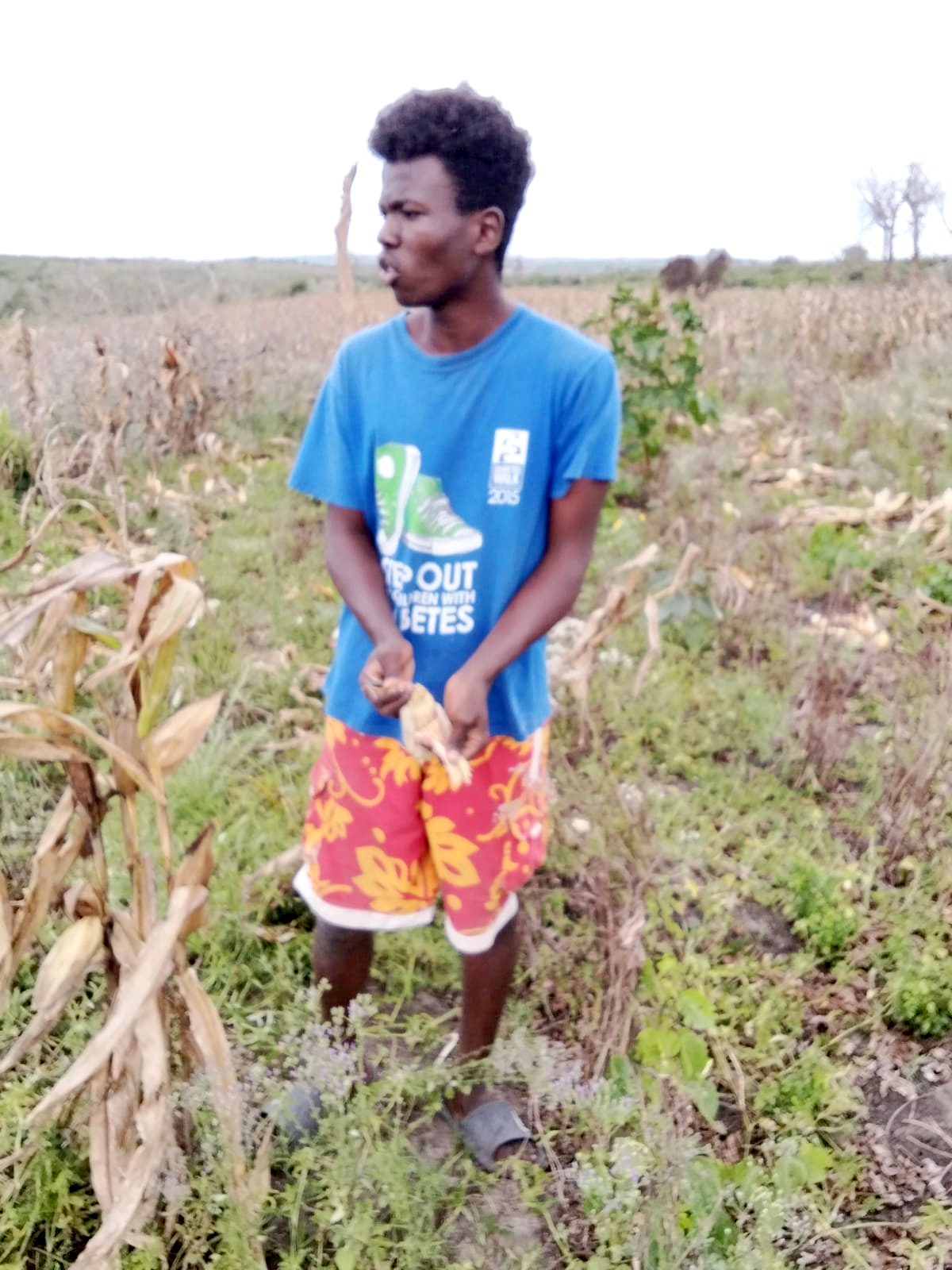
The maize, taller and more tolerant of waterlogging, survived. We harvested it between 29 August and 5 September 2025.
The Yield
Three 90 kg bags — 270 kg of maize from the intercrop across six acres of first-season soil. That’s a modest yield by commercial standards, but the maize was never the main event — it was intercropped between the green gram rows. The real production was supposed to come from the green grams.
Drying and Processing
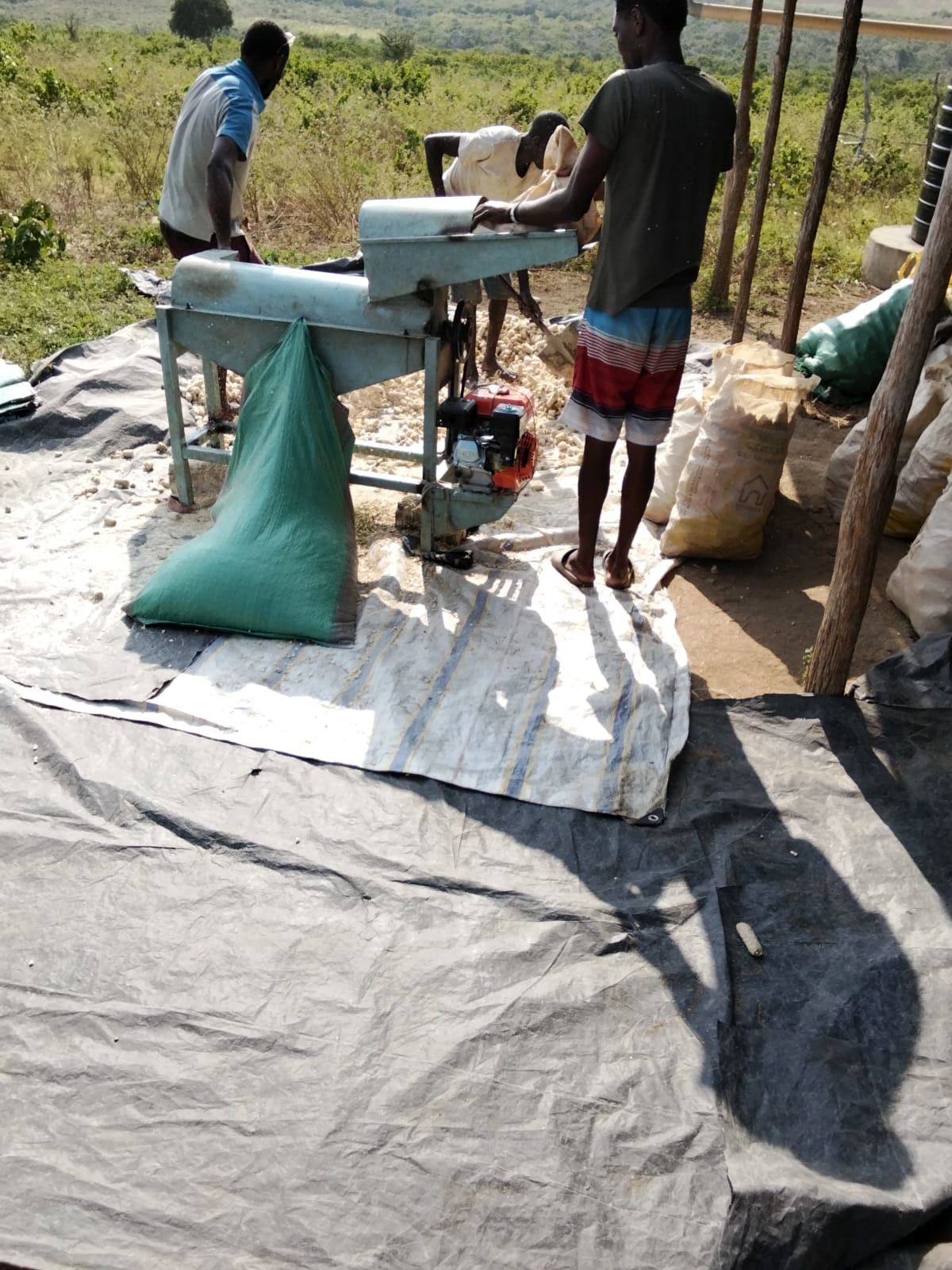
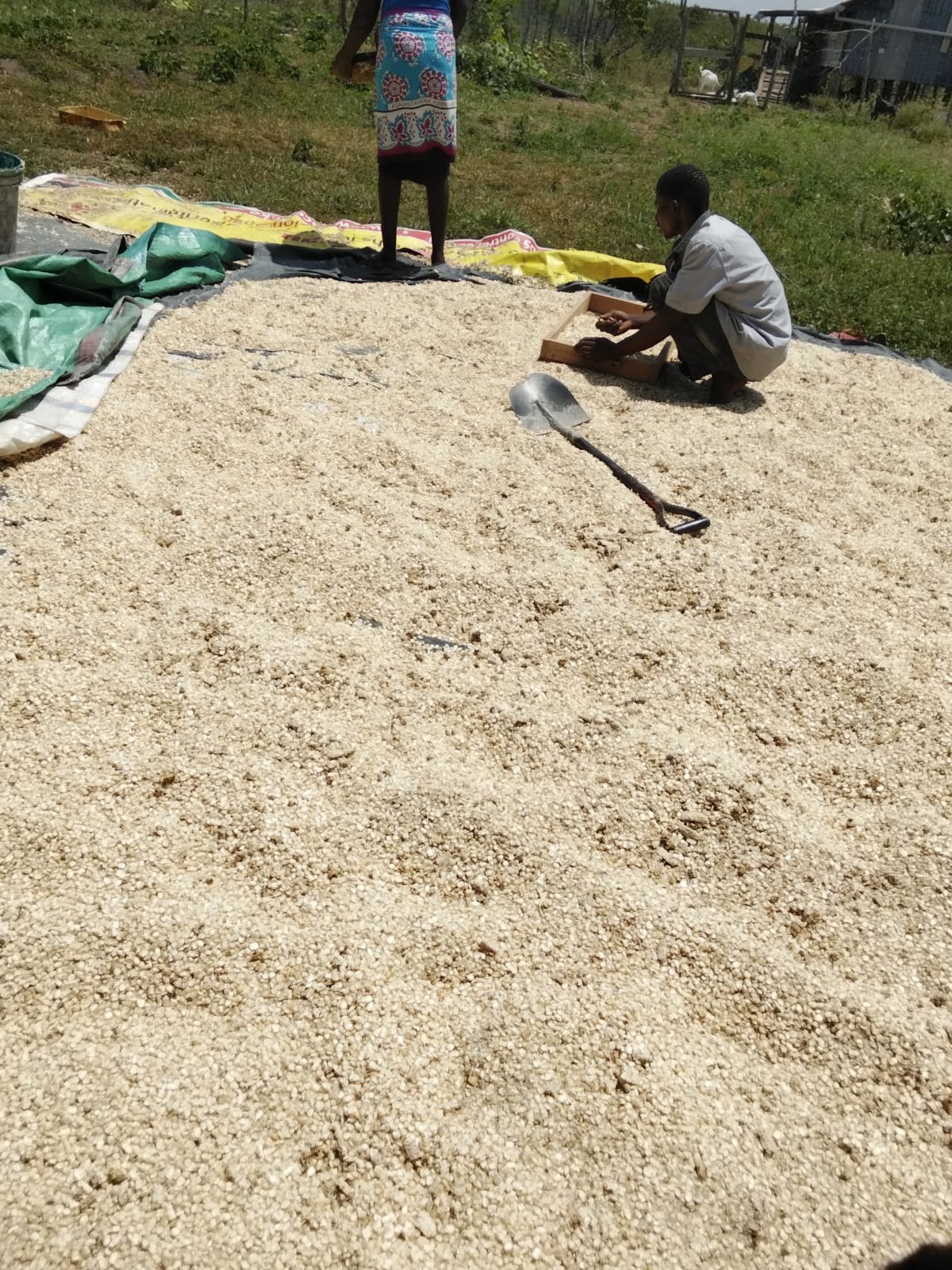
After harvest, the maize was shelled and spread on tarps to dry in the sun. Proper drying is critical — moisture above 13% leads to mould and aflatoxin contamination, which would make the grain unsaleable and unsafe.
The Case for Data
The green gram loss made the case for everything we are building. If we had a weather station, we might have seen the prolonged rain coming. If we had soil moisture sensors, we would have known the field was waterlogged before the plants showed stress. That single loss — a crop that was on track — validated why a farm like ours needs data.
The maize harvest proved the land can produce. The green gram loss proved we need better information to protect what we grow.
What Came Next
With one crop cycle complete — one success, one failure — we turned our attention to building the infrastructure for the next season: water storage, livestock shelter completion, and planning for sensor deployment.