
Seeds in the Ground
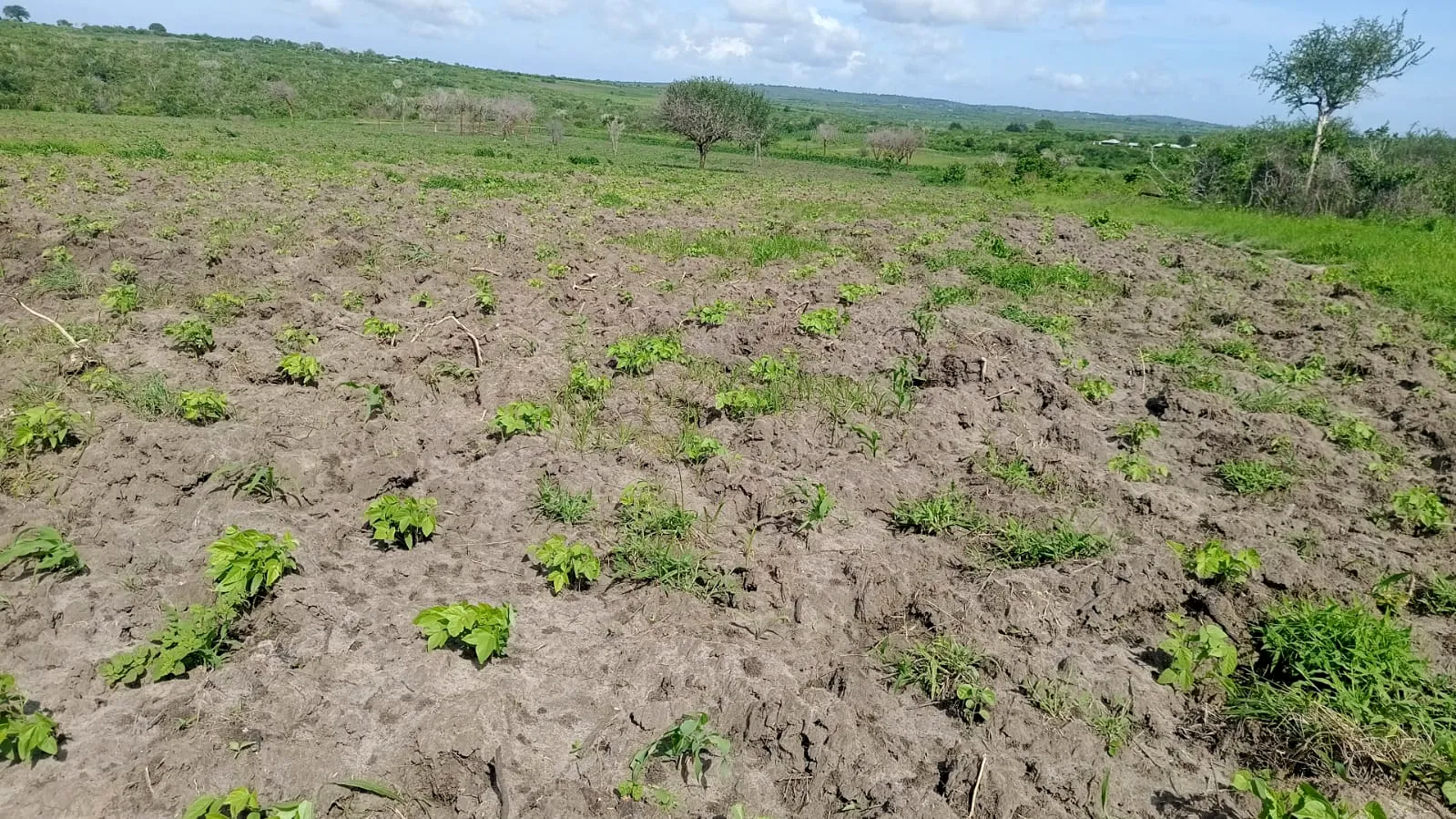
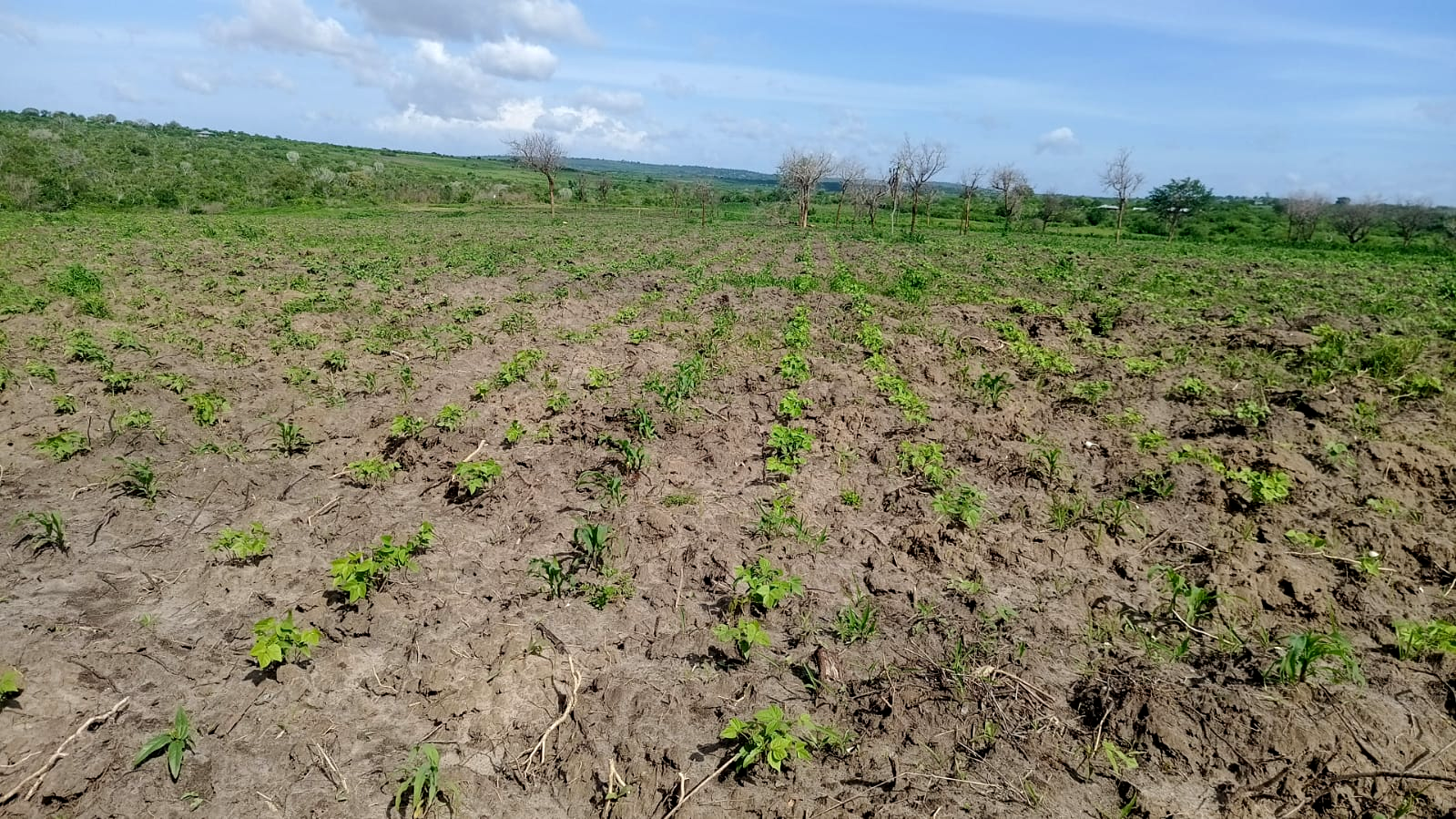
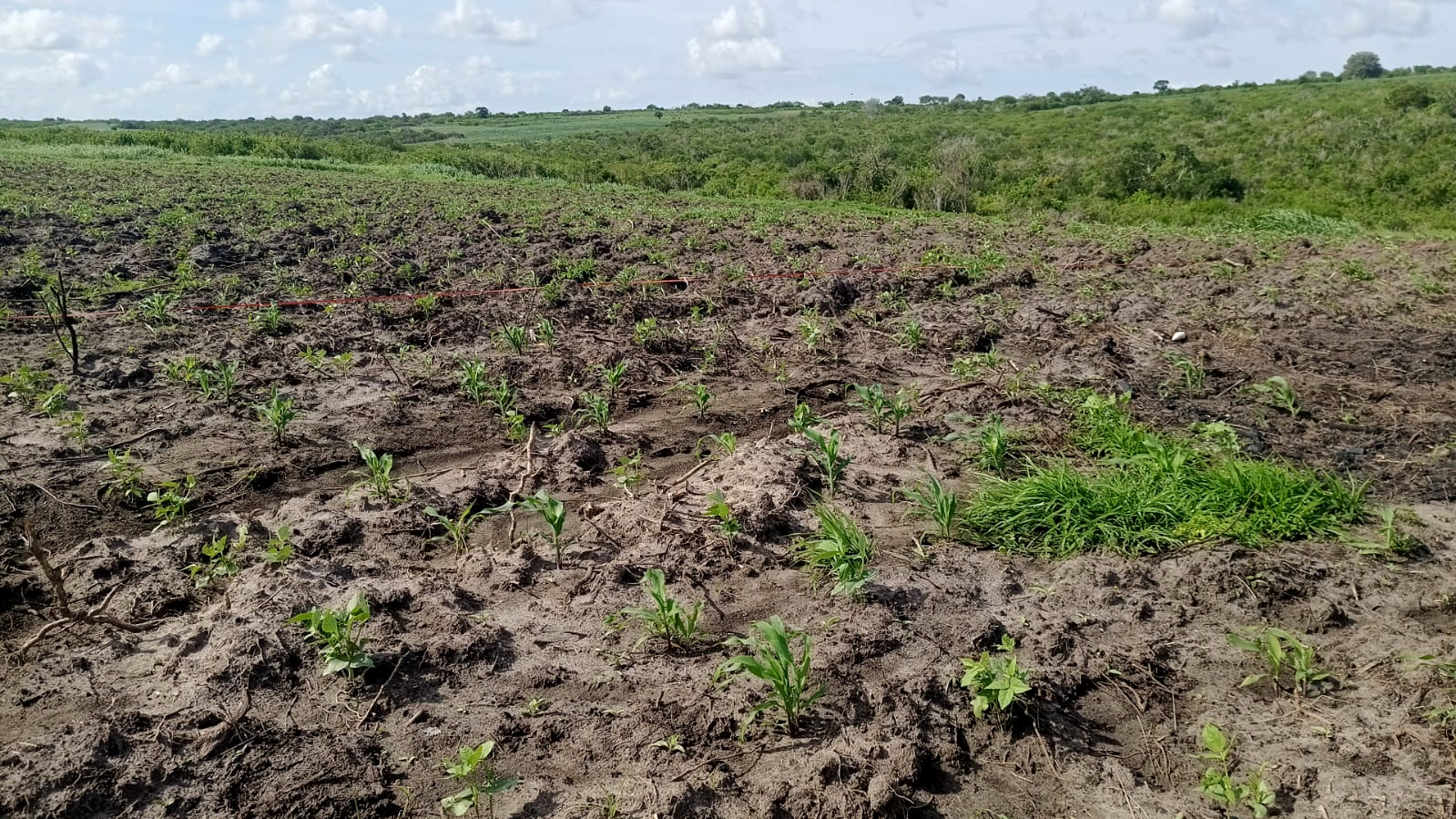
With the land cleared and the rains approaching, we planted our first crops: green grams as the main crop intercropped with maize every two metres across the six acres.
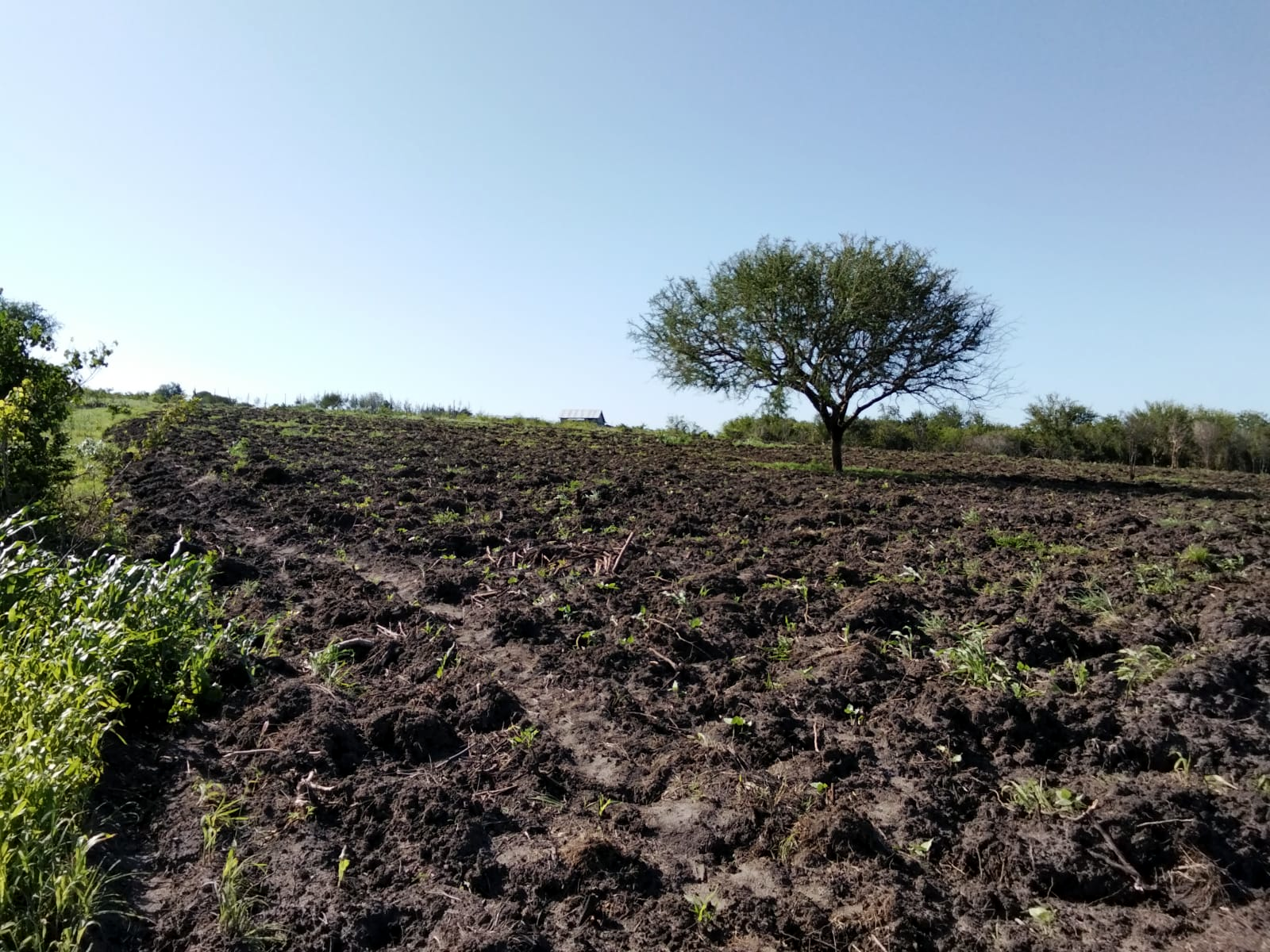
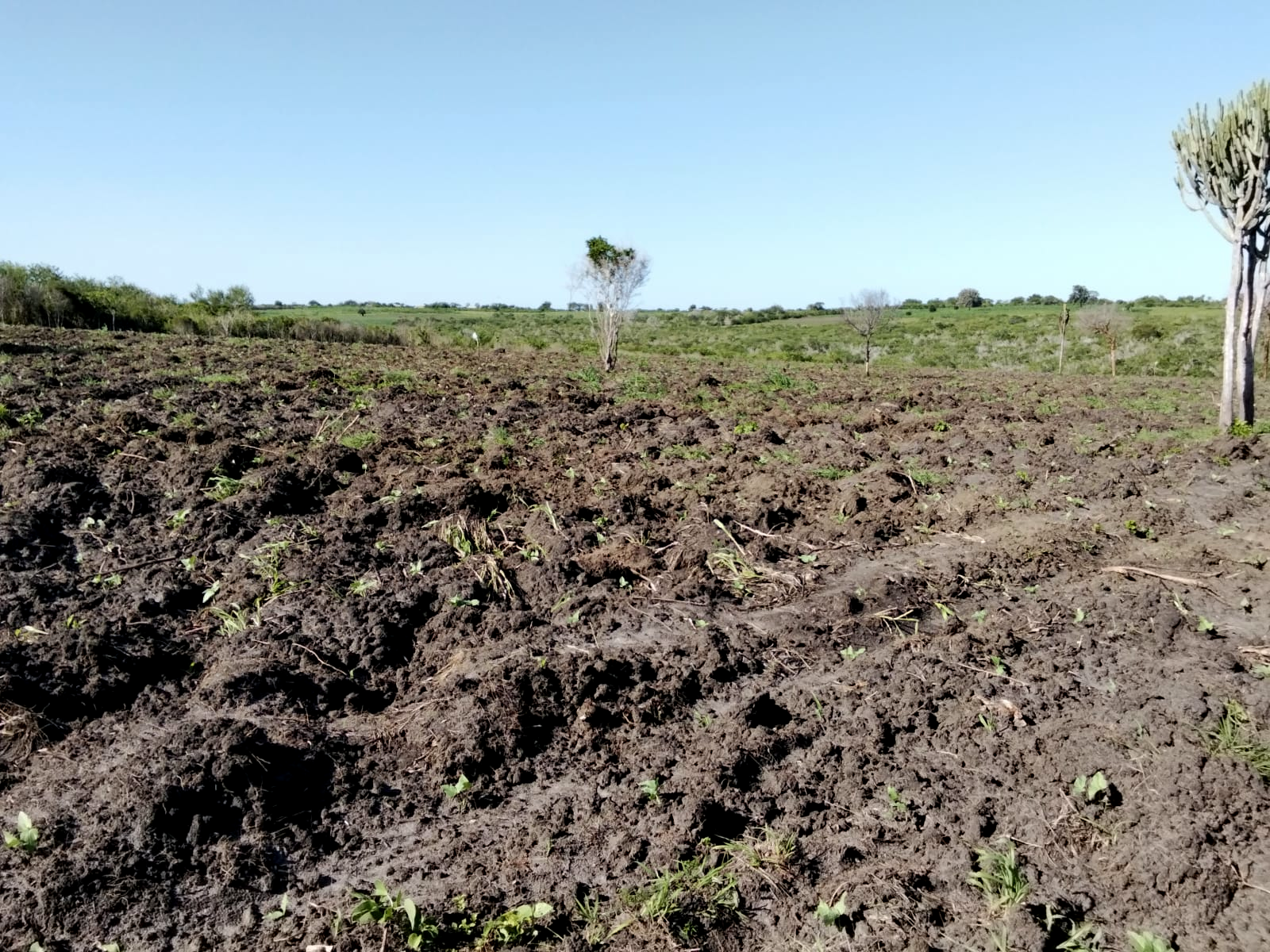
Planting was done by hand — holes dug in rows, seeds placed, soil pushed back. The dark patches in the photos are where the soil was turned over and manure from our livestock was worked in. The rest of the field still shows the green ground cover that grew back after clearing.
Why Maize and Green Grams
These aren’t exotic choices. Green grams (ndengu) are drought-tolerant, fix nitrogen in the soil, and have strong local market demand — they’re the main crop. Maize, the staple of coastal Kenya, is intercropped every two metres to provide structure and partial shade. Together they make a practical intercrop for first-season soil.
The only soil amendment was goat manure from our own livestock.
The Planting Pattern
The photos show a simple row pattern — green grams across the field with maize intercropped every two metres. For a first season on freshly cleared land, getting crops in the ground matters more than perfect geometry.
What We Were Watching For
Two things concerned us going into this planting: whether the rains would arrive on time, and whether the soil would hold enough moisture for germination. We relied on the local knowledge of the season and a willingness to learn from whatever happened.