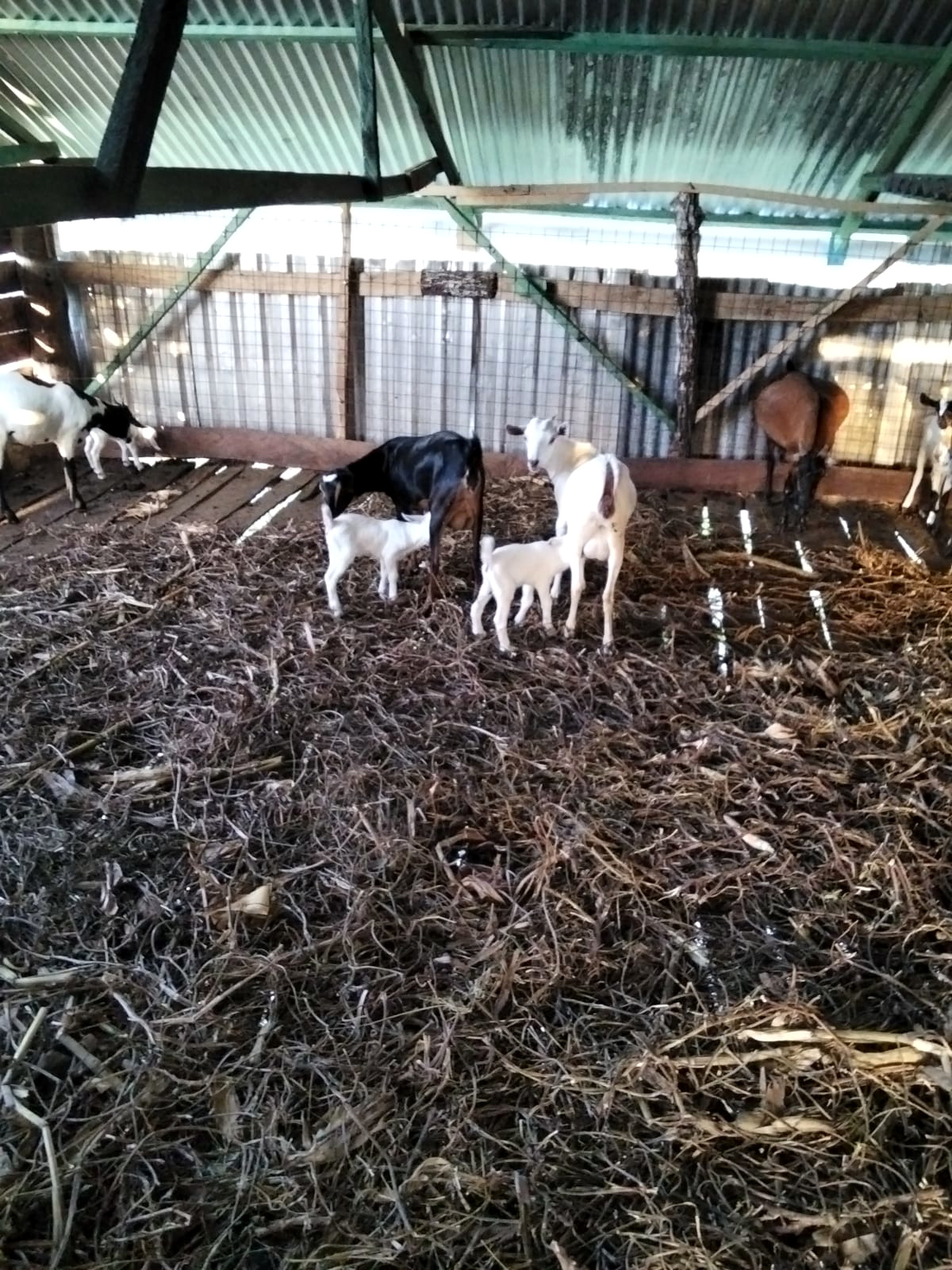
Journal
The Herd Grows: From 5 to 10
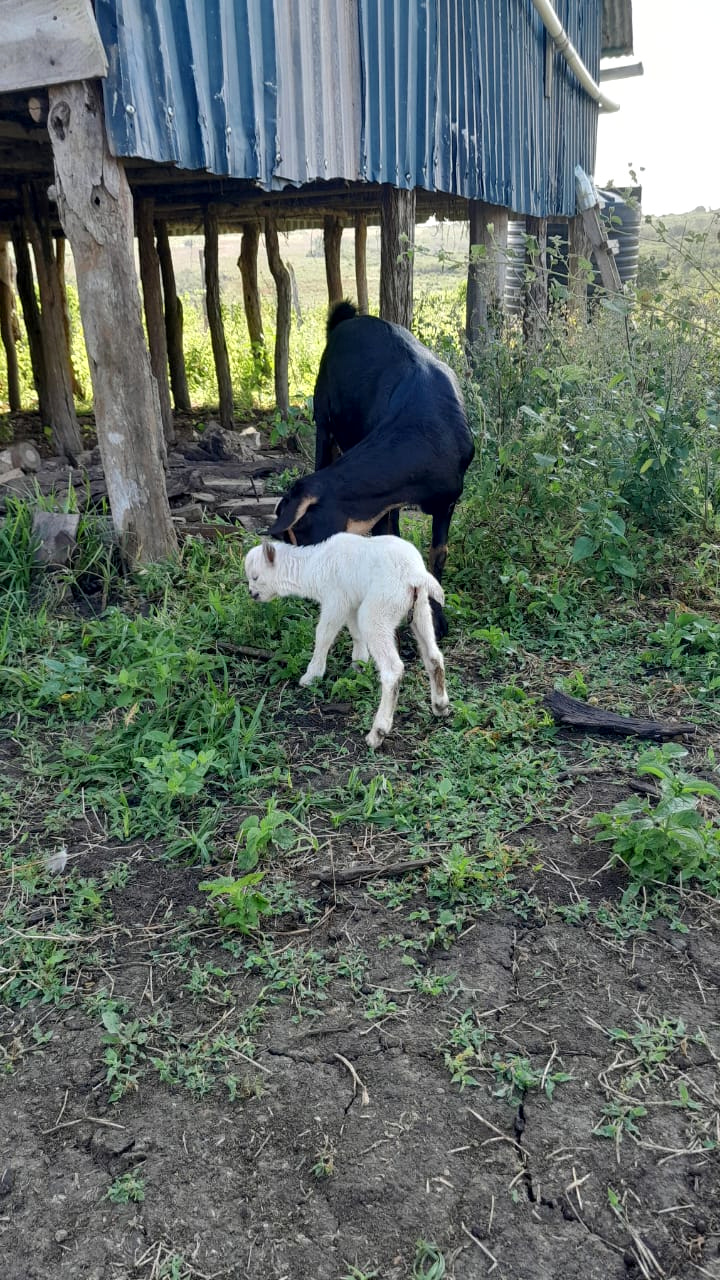
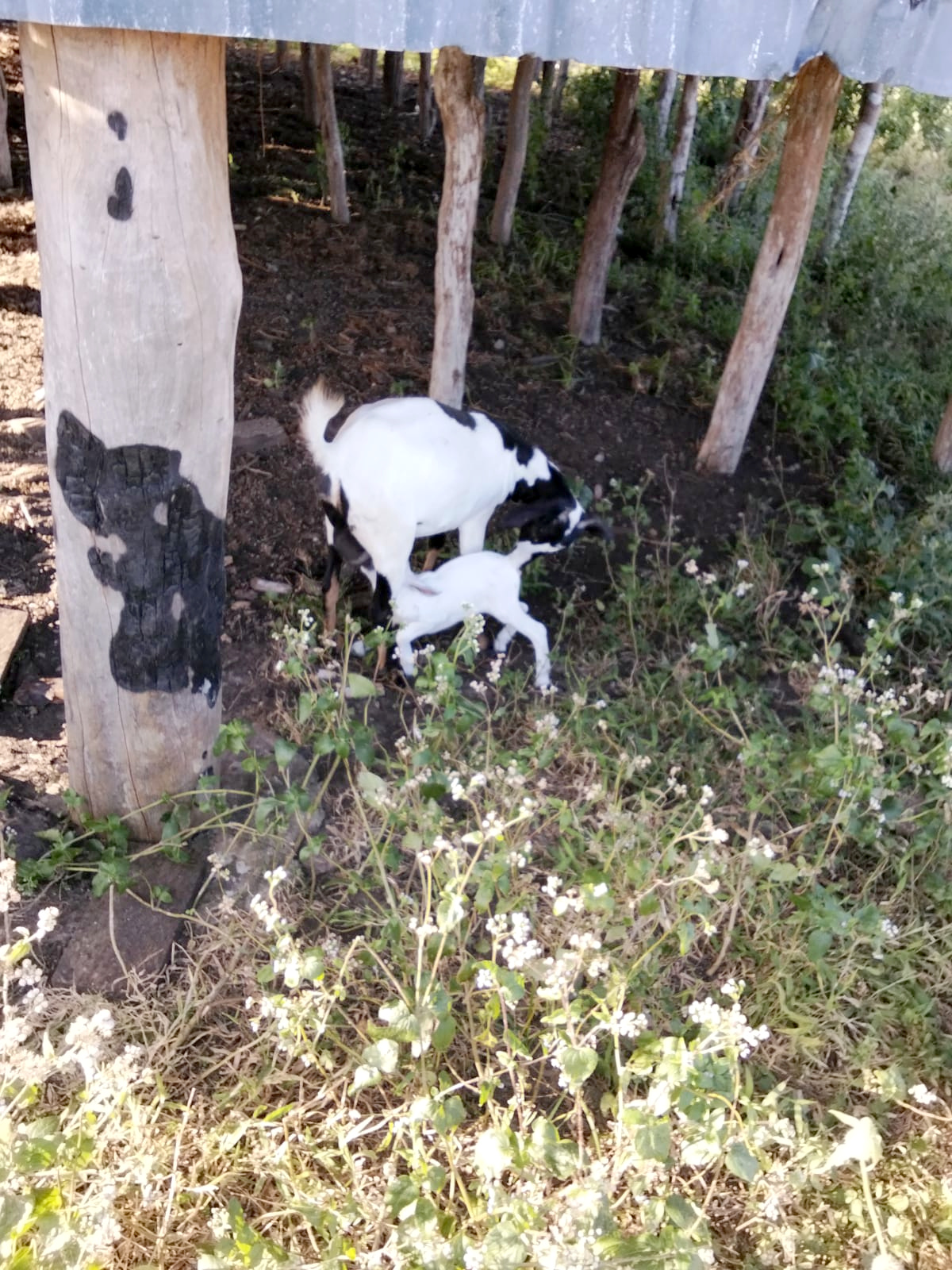
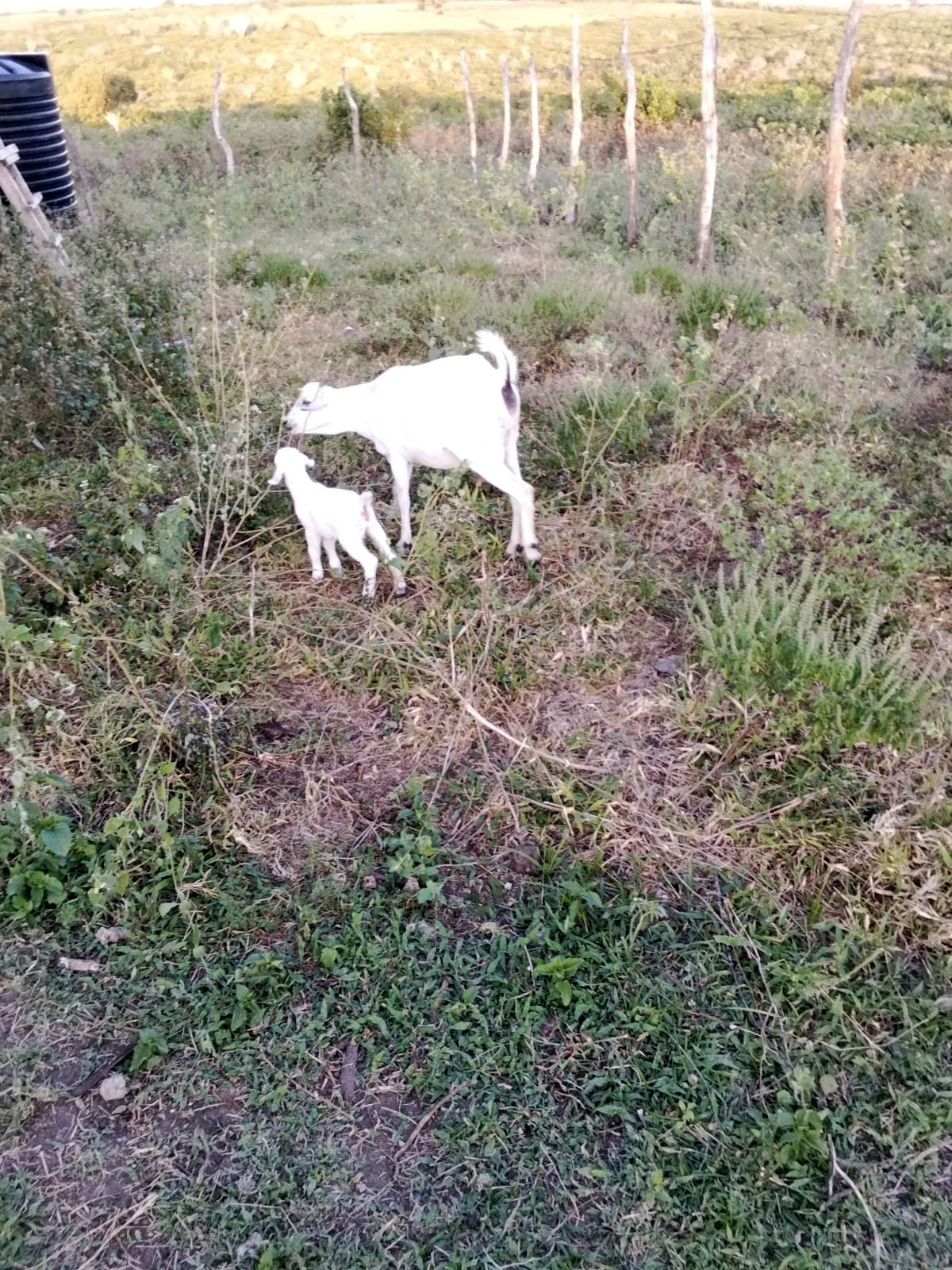
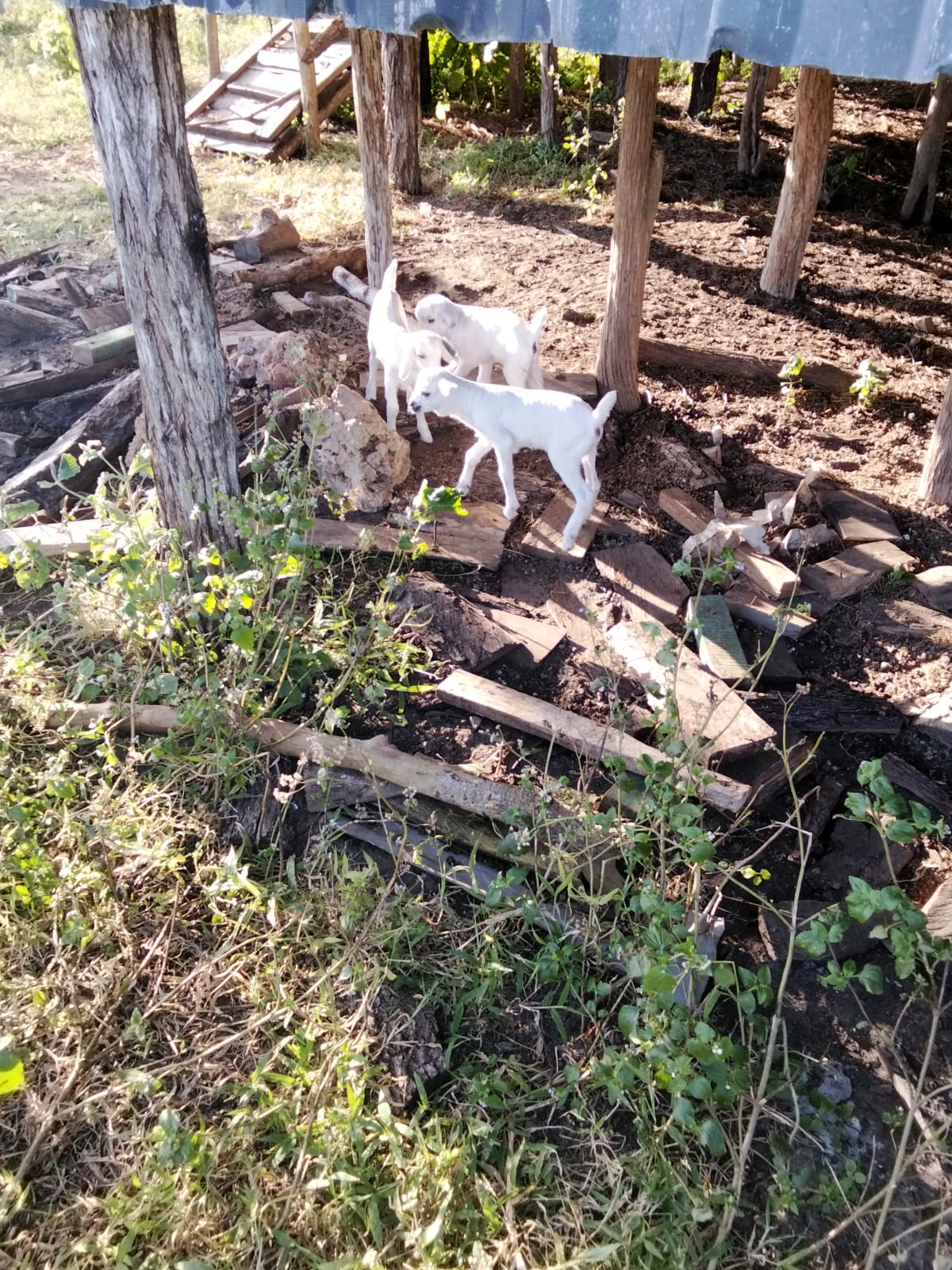
August 2025: First kids born
Seven months after buying our original herd of 5 goats, three of the four females gave birth, one kid each. The herd grew from 5 to 8.
January 2026: New addition
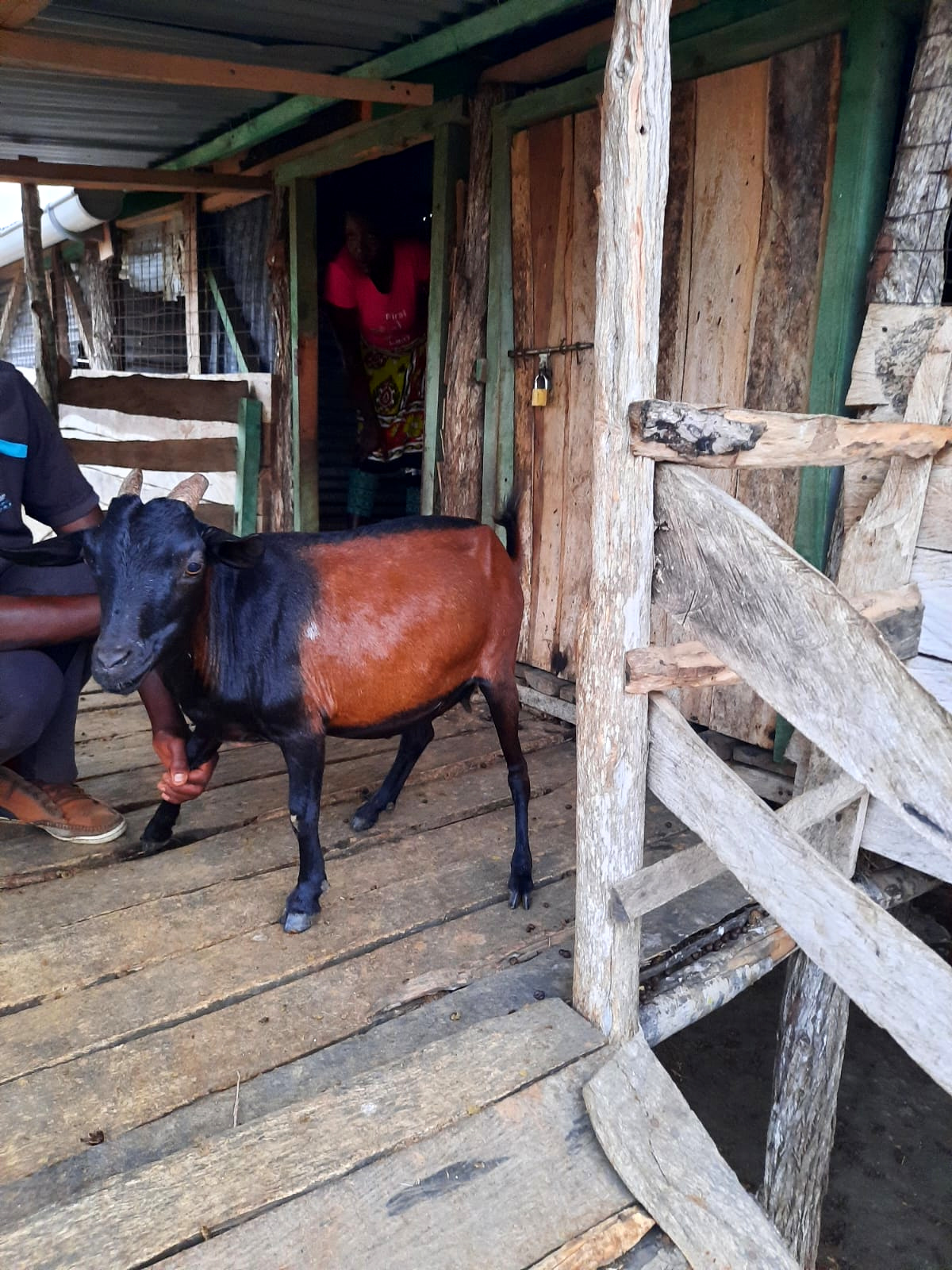
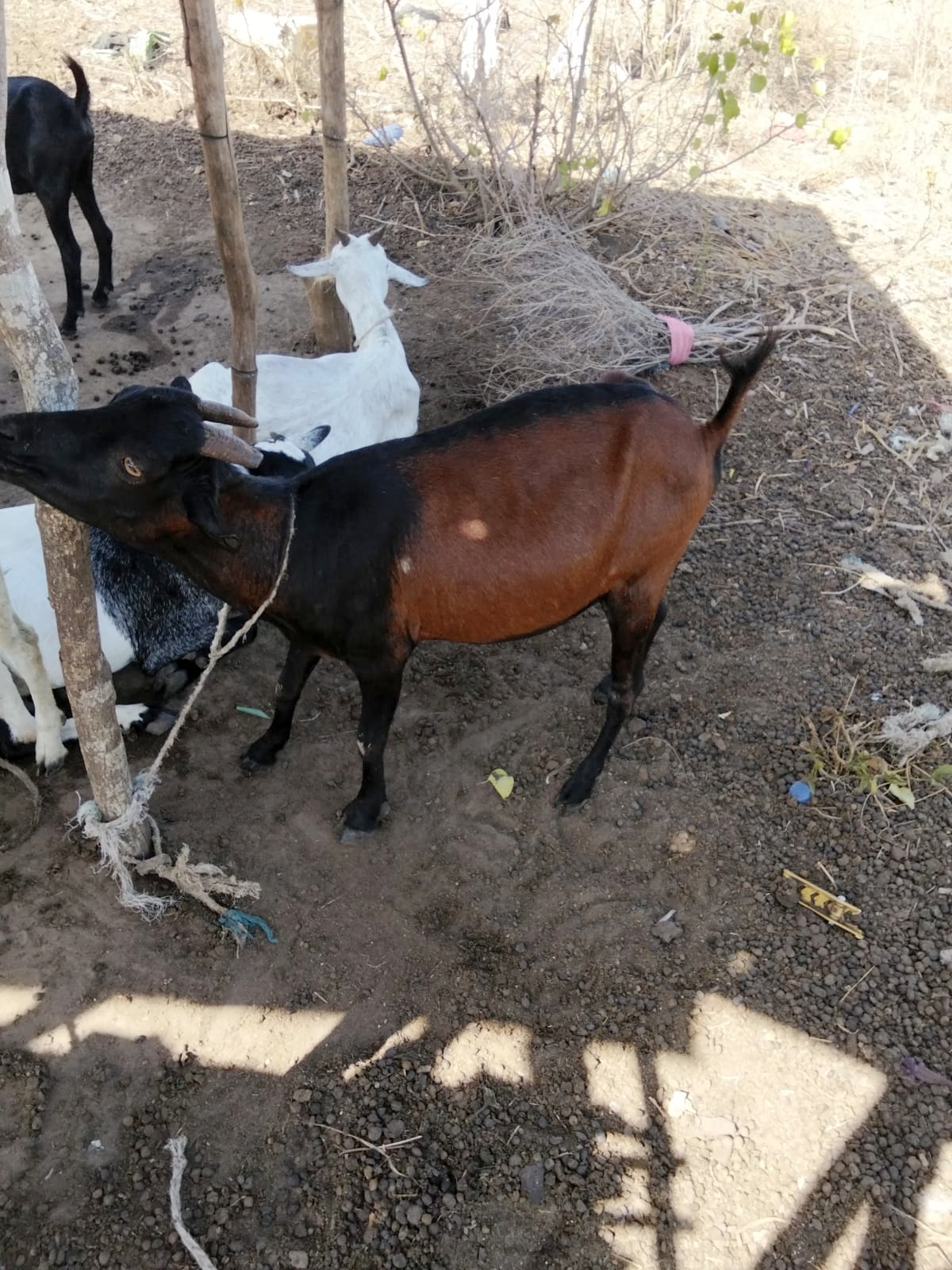
On 22 January 2026, we added a new goat to the herd, bringing the total to 9 animals.
February 2026: Tagging
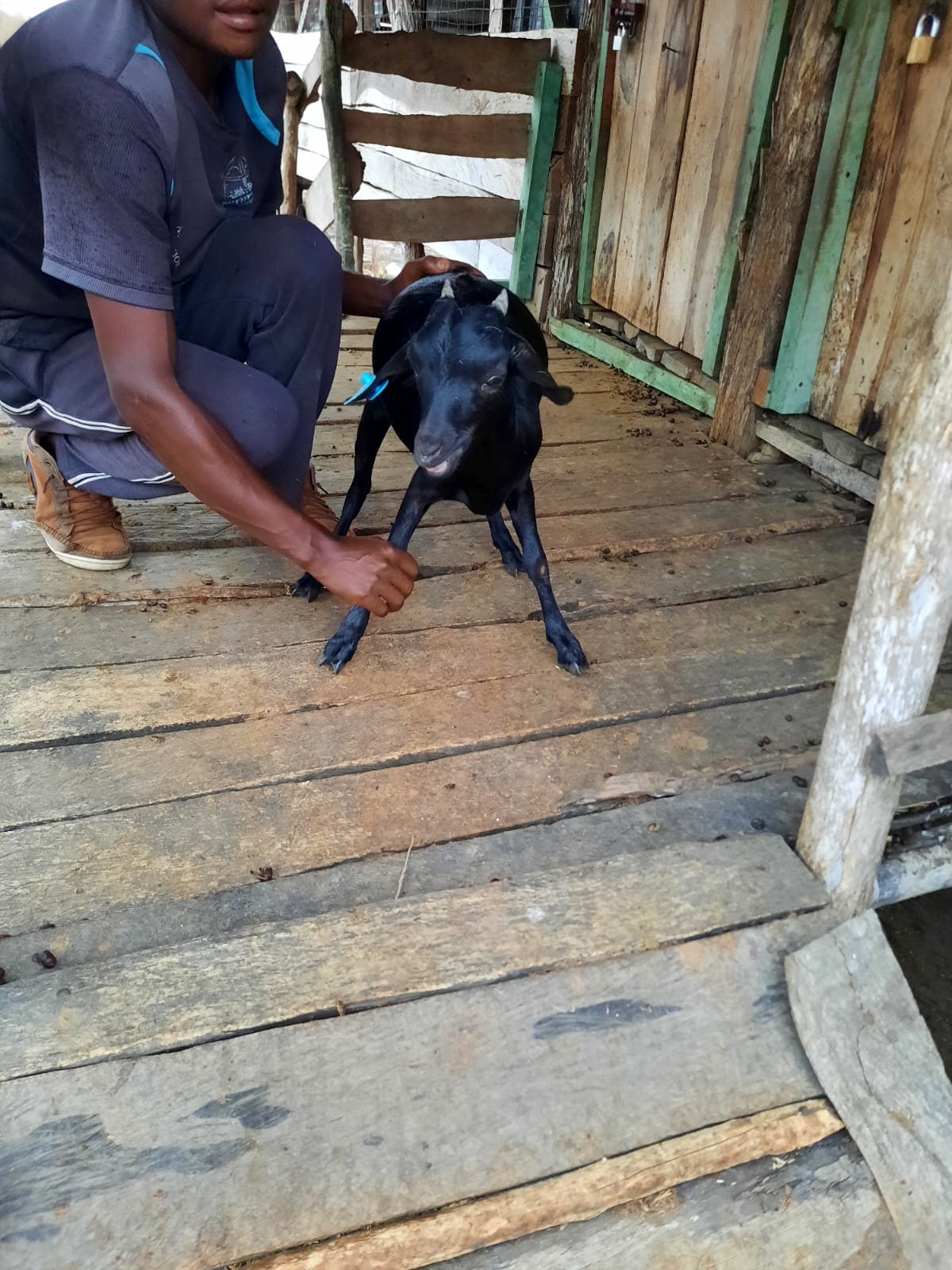
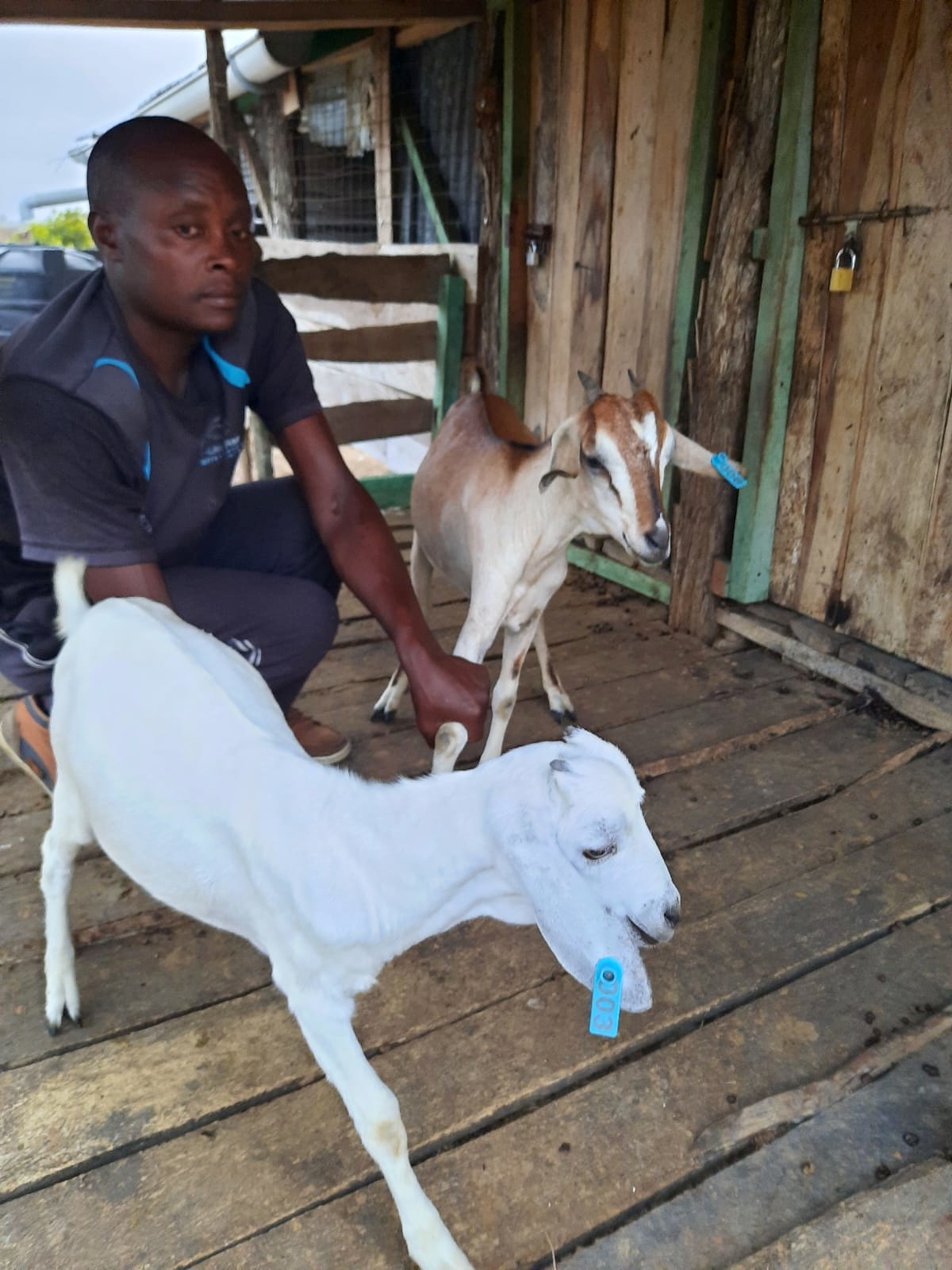
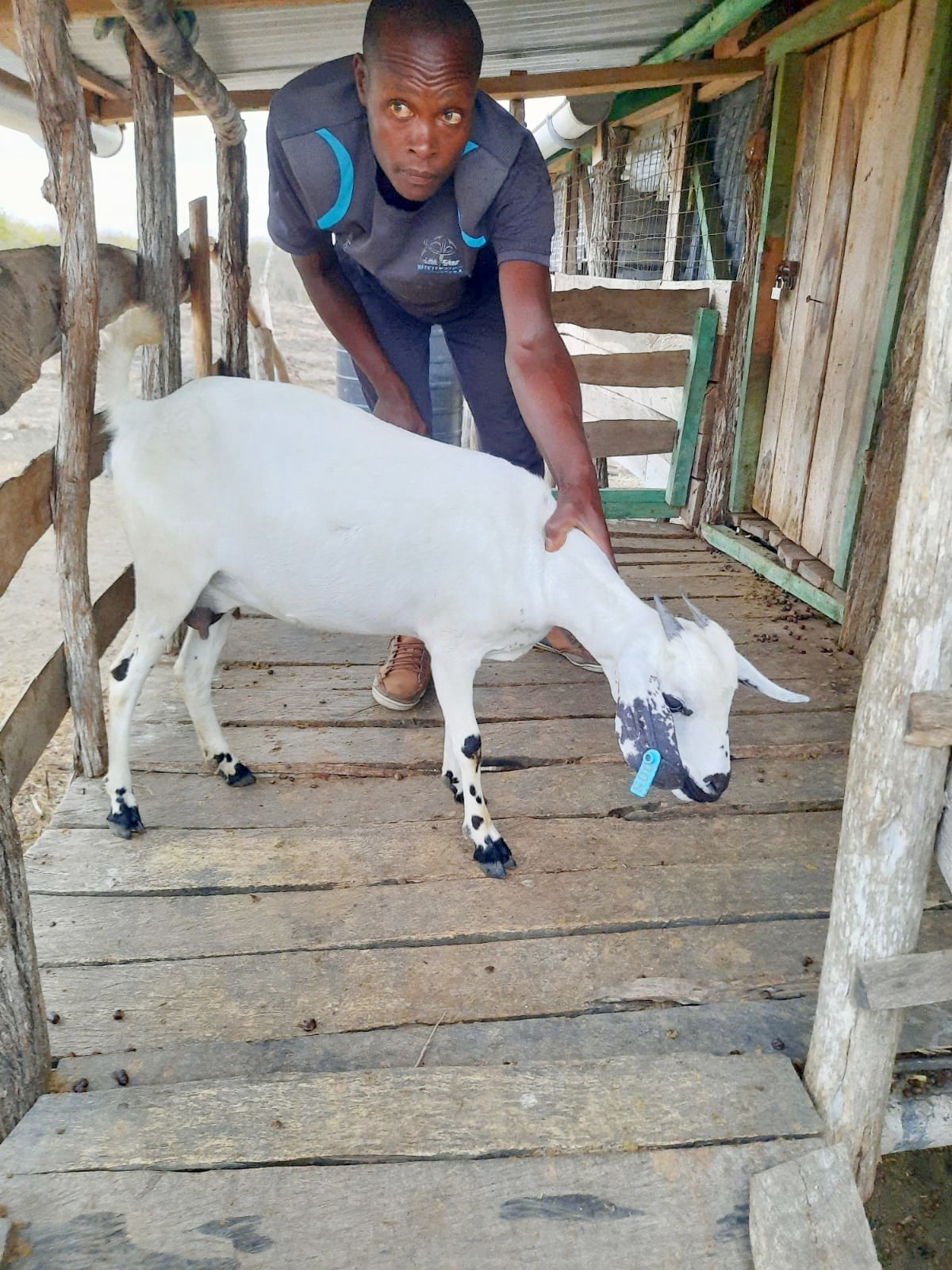
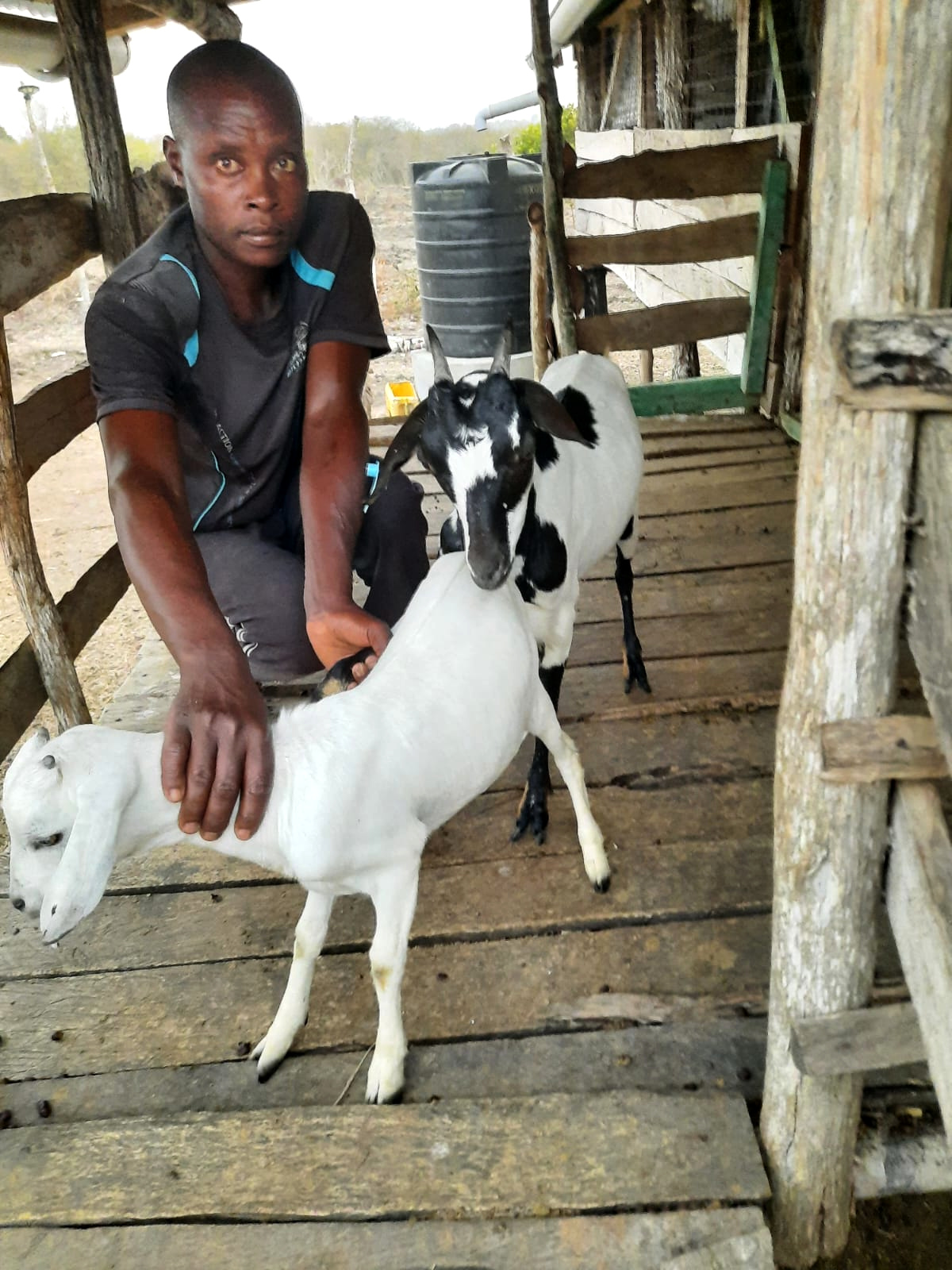
On 11 February 2026, we tagged all the goats for identification and record-keeping. Proper livestock management starts with knowing which animal is which. Tracking health, breeding history, and productivity requires a name on every record.
19 February 2026: Another kid
One more female gave birth on 19 February 2026, bringing the herd to 10 animals.
Why this matters
More goats mean more manure for the fields. The herd growing naturally, with only one additional purchase, is the kind of self-sustaining cycle the enterprise is built on. Every birth is recorded. Every tagged animal carries a complete history.