Journal
The Herd Arrives: 5 Goats
Why livestock on a farm building soil
Our soil needs organic matter, and building it takes time. Synthetic fertiliser is not part of our approach. The practical alternative: build soil structure slowly with manure. That is why the first livestock purchase was not about meat or milk. It was about what comes out the other end.
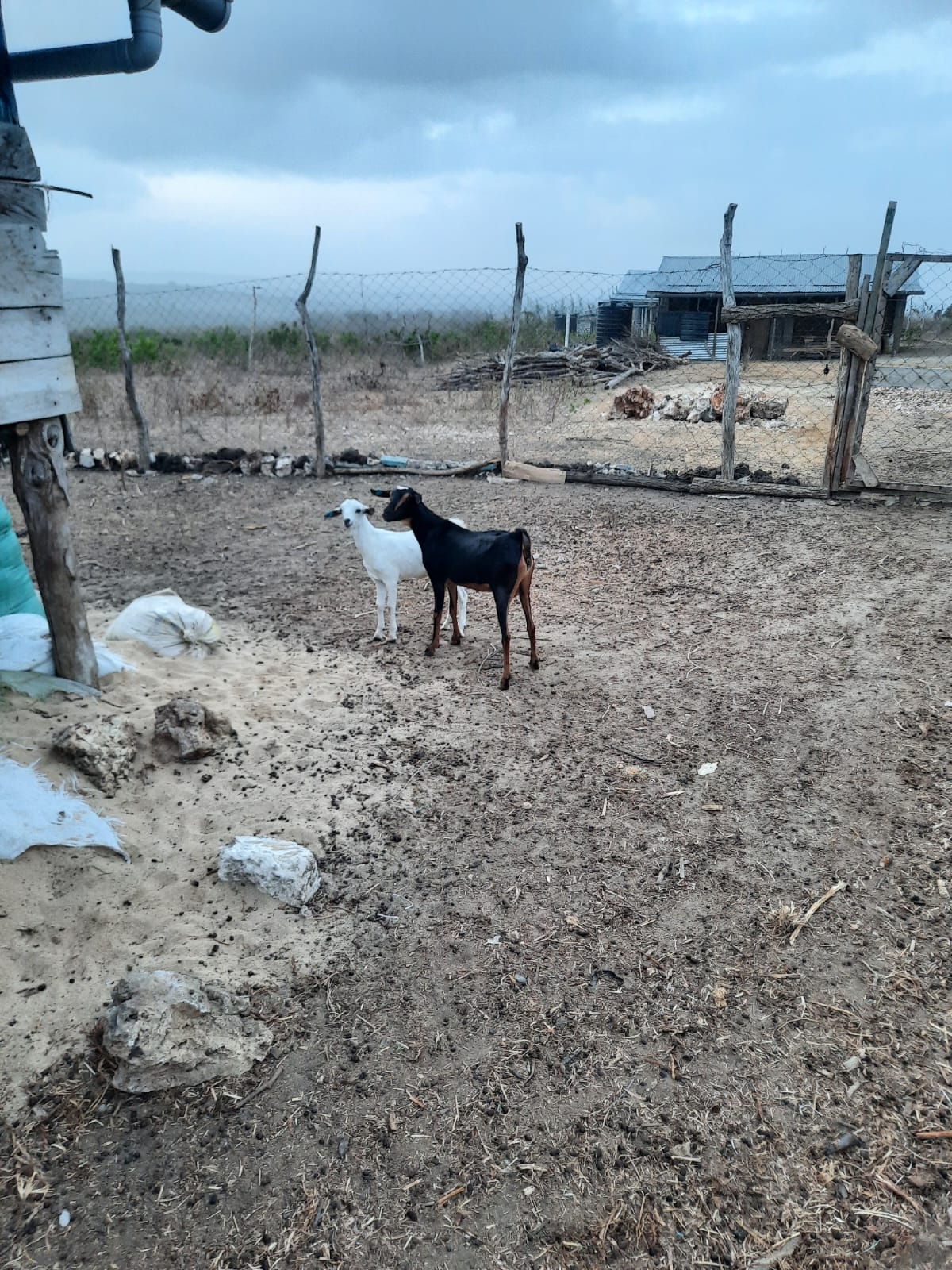
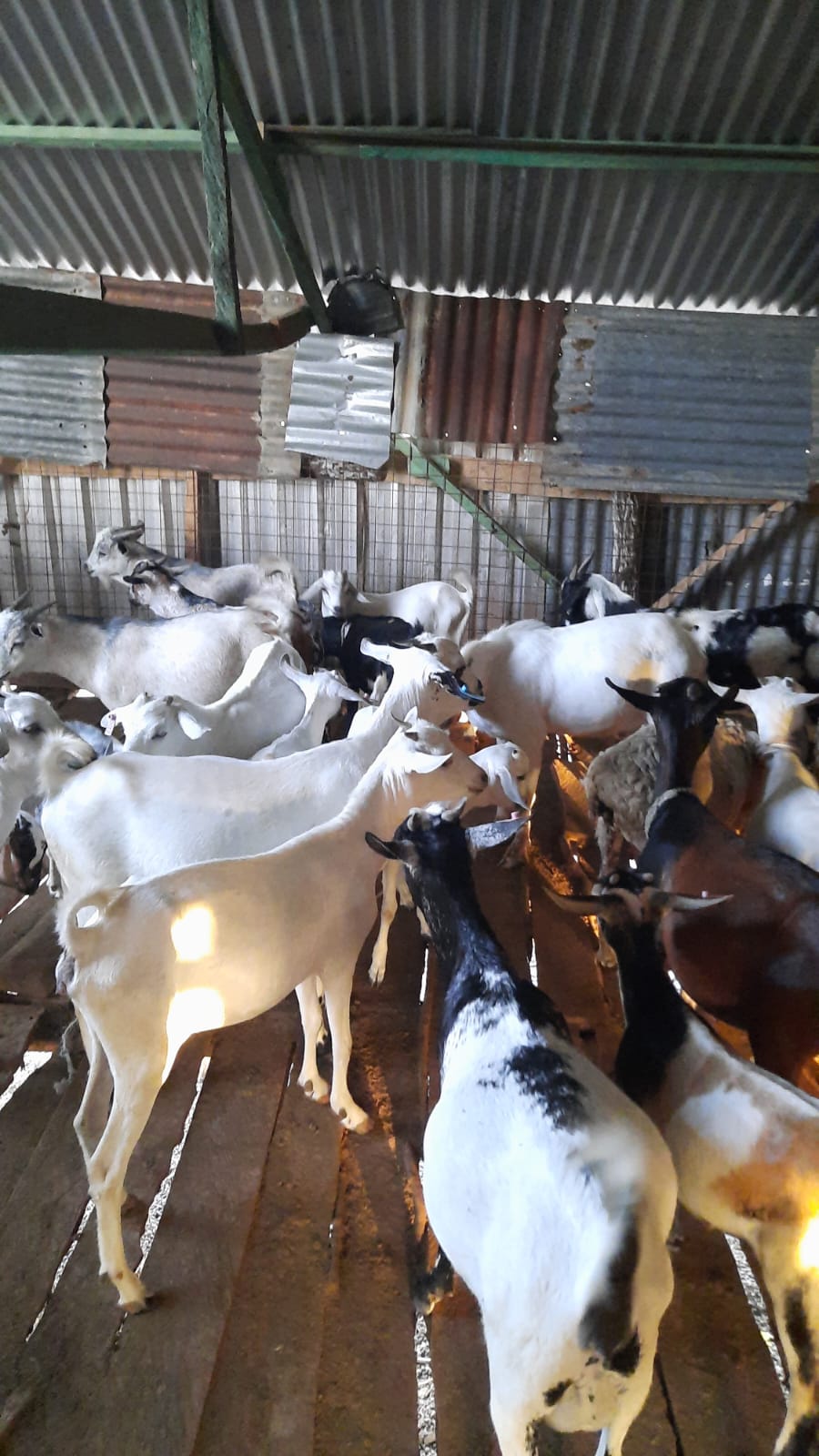
We bought 5 goats: 4 females and 1 male, all local mixed breeds suited to the Kilifi coast climate. They were sourced locally in January 2025.
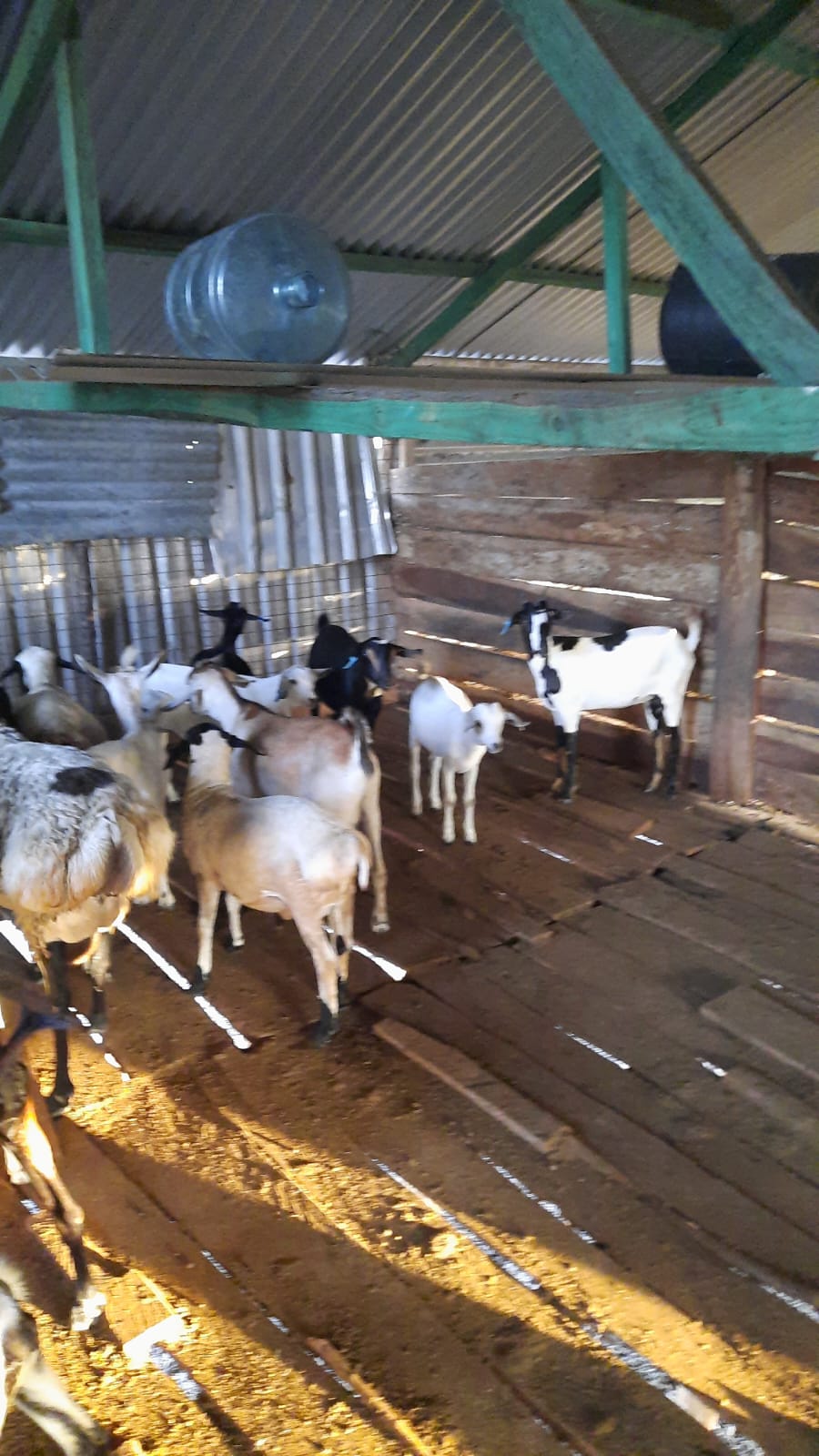
Housed, not yet home
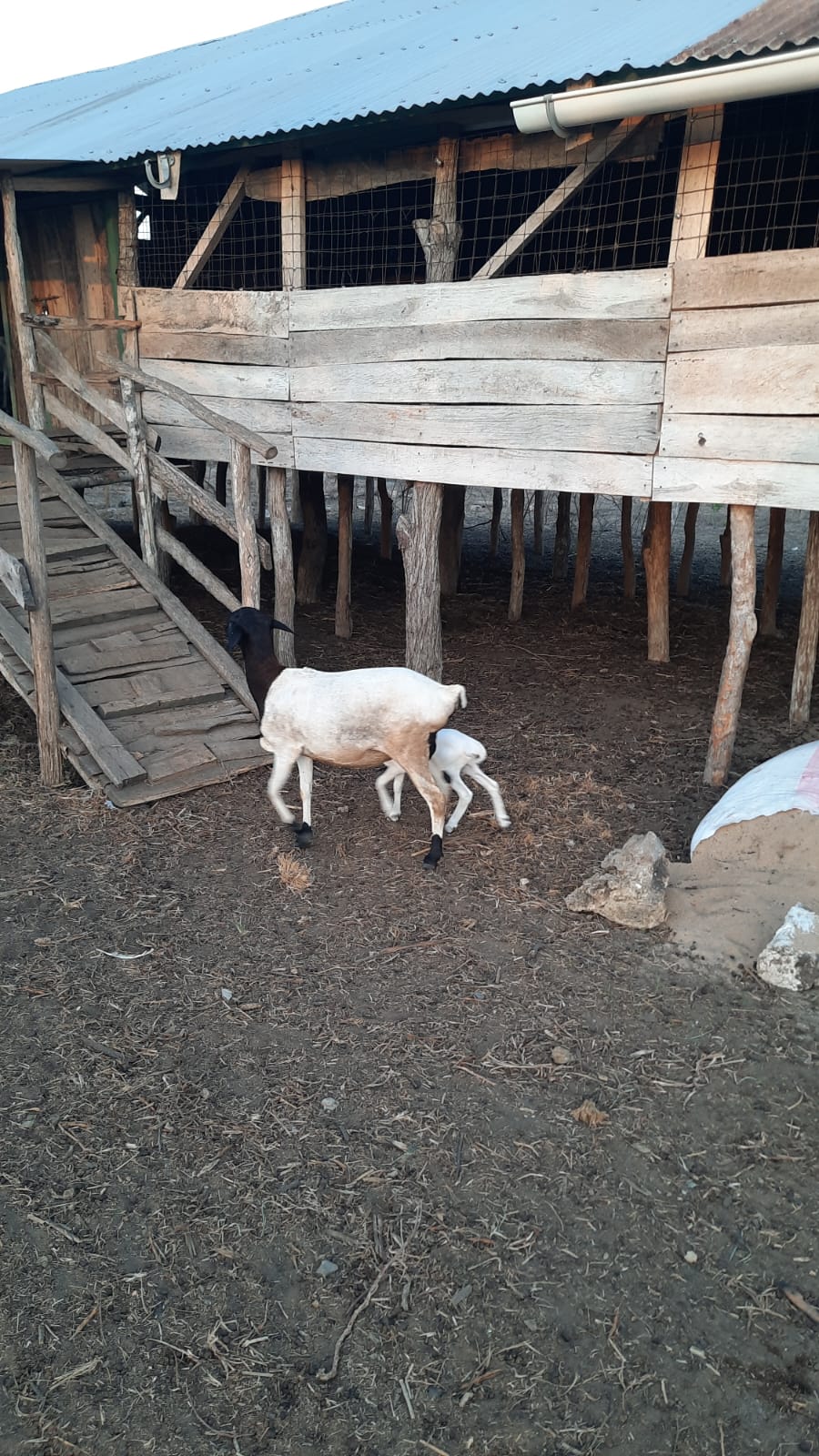
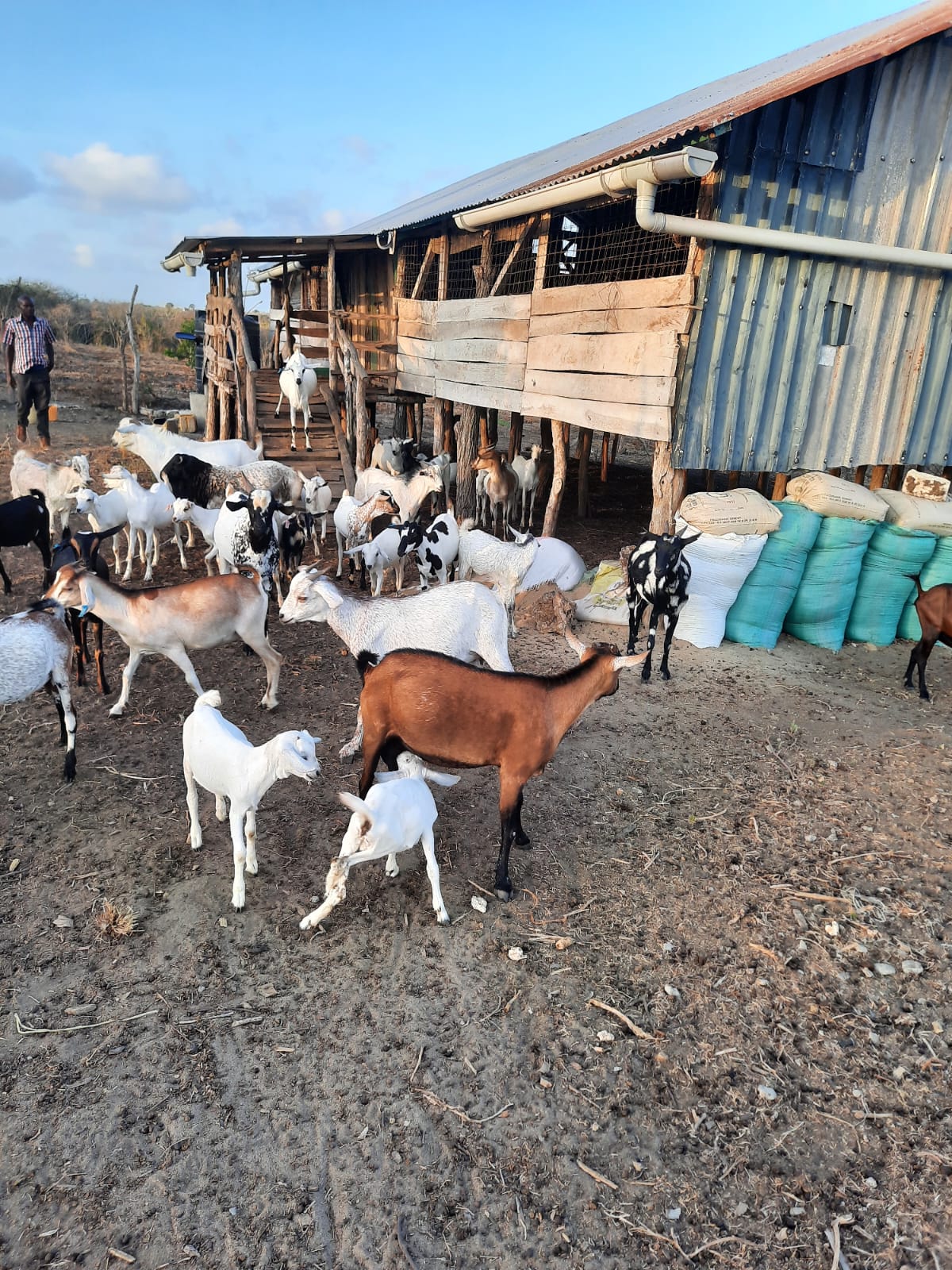
The animals were initially hosted at a neighbouring facility while our own shelter was under construction. The structure was completed later in the year: an elevated wooden shelter with a corrugated iron roof, raised floor for manure collection, and a ramp for access.
Manure as soil strategy
The accumulated manure is collected and spread across the planting areas. This is the most practical way to add organic matter at this stage. Over time, the soil structure improves: better water retention, more microbial activity, a growing foundation.
What we were learning
Keeping livestock in a coastal semi-arid environment comes with its own constraints. Water access matters for the animals too. Browse and feed availability changes with the season. Veterinary support in Magarini is limited. These are realities we document as we go.