
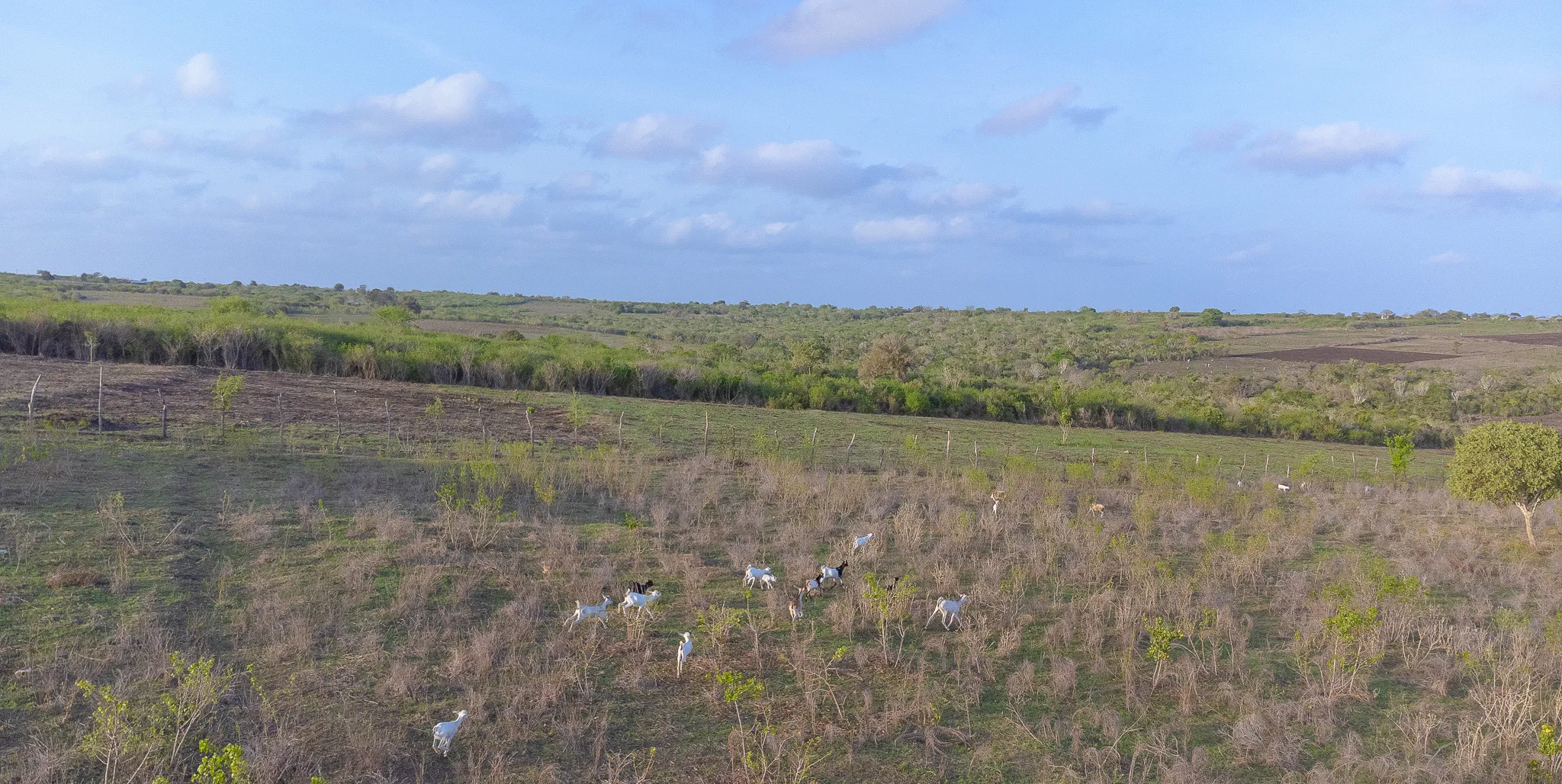
The Problem With Farm Stories
Most smallholder farm stories read the same way: land was acquired, crops were planted, yields were good, the future is bright. The costs are vague. The failures are missing. The decisions behind the work are invisible.
That makes it impossible for anyone else to learn from them — or to tell whether the approach actually works.
What This Journal Does Differently
Every entry in this journal describes something that actually happened on the farm. When we clear land, we say how. When we harvest, we publish the yield. When we lose a crop, we explain what went wrong. When we spend money, we publish the amount.
We are not doing this because we have it figured out. We are doing it because the only way to know whether data-driven farming works on a small farm in coastal Kenya is to write everything down honestly — and let the record speak for itself.
What We Don’t Filter
- Failures. Our first green gram crop was destroyed by prolonged rain. We published that.
- Costs. Every shilling spent on land preparation, labour, seeds, livestock, and infrastructure is documented.
- Gaps. We do not have soil sensors or a weather station yet. When we reference the need for data, it is because we have experienced the cost of not having it.
Who This Is For
Anyone thinking about starting a farm in Kenya. Anyone evaluating whether precision agriculture makes sense at small scale. Anyone who wants to see what a farm actually costs — not what a pitch deck says it should cost.
If something we publish helps someone make a better decision, the journal has done its job. If it shows that our approach was wrong, that is equally valuable.
This is the record. Follow along.